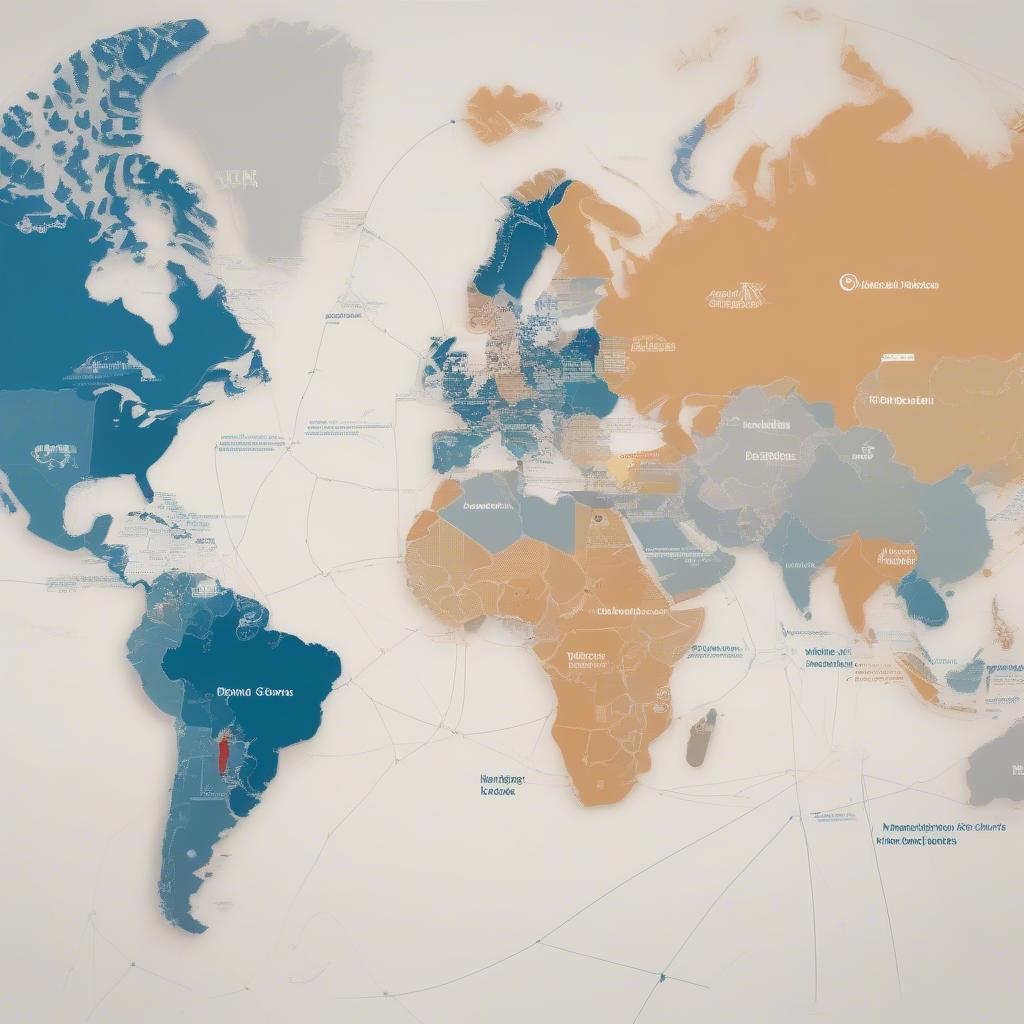

Asics, a renowned global brand in athletic footwear and apparel, faces a dynamic and competitive landscape. Understanding the external factors impacting its business is crucial for sustained growth. A PESTEL analysis of Asics provides a framework to examine these factors—Political, Economic, Social, Technological, Environmental, and Legal—offering valuable insights into the challenges and opportunities that lie ahead. This comprehensive PESTEL analysis of Asics will delve into each of these areas, providing a clear picture of the brand’s position in the global marketplace. What are the key political, economic, social, technological, environmental, and legal factors shaping Asics’ future? Let’s explore.
Table Content:
- Political Factors Influencing Asics
- Economic Factors Shaping Asics’ Growth
- Social Trends Impacting Asics’ Brand
- Technological Advancements Affecting Asics
- Environmental Concerns and Asics’ Sustainability
- Legal Landscape Impacting Asics’ Operations
- FAQ: PESTEL Analysis of Asics
- Conclusion: Asics’ Path Forward
Political Factors Influencing Asics
Political stability and trade agreements significantly impact Asics’ global operations. International trade policies, tariffs, and political unrest in manufacturing countries can disrupt supply chains and increase costs. Furthermore, government regulations regarding labor practices and product safety standards influence Asics’ production processes. How can Asics navigate these political complexities? By closely monitoring political developments and adapting its strategies to mitigate potential risks, Asics can maintain its competitive edge.
Asics and International Trade Agreements
Economic Factors Shaping Asics’ Growth
Global economic conditions, including currency fluctuations, inflation, and economic growth rates, directly affect Asics’ profitability. Consumer spending on discretionary items like athletic wear is particularly sensitive to economic downturns. Moreover, varying economic landscapes across different regions require Asics to tailor its pricing and marketing strategies accordingly. What strategies can Asics employ to counter economic volatility? Diversification into new markets and developing cost-effective manufacturing processes can help Asics weather economic storms.
Social Trends Impacting Asics’ Brand
Evolving social trends, such as health and wellness consciousness, the rise of athleisure, and increasing participation in sports, present both opportunities and challenges for Asics. Understanding consumer preferences for sustainable products, ethical sourcing, and personalized experiences is critical for staying relevant. How can Asics capitalize on these evolving social trends? By actively engaging with its target audience and incorporating their values into its products and marketing campaigns, Asics can strengthen brand loyalty.
Technological Advancements Affecting Asics
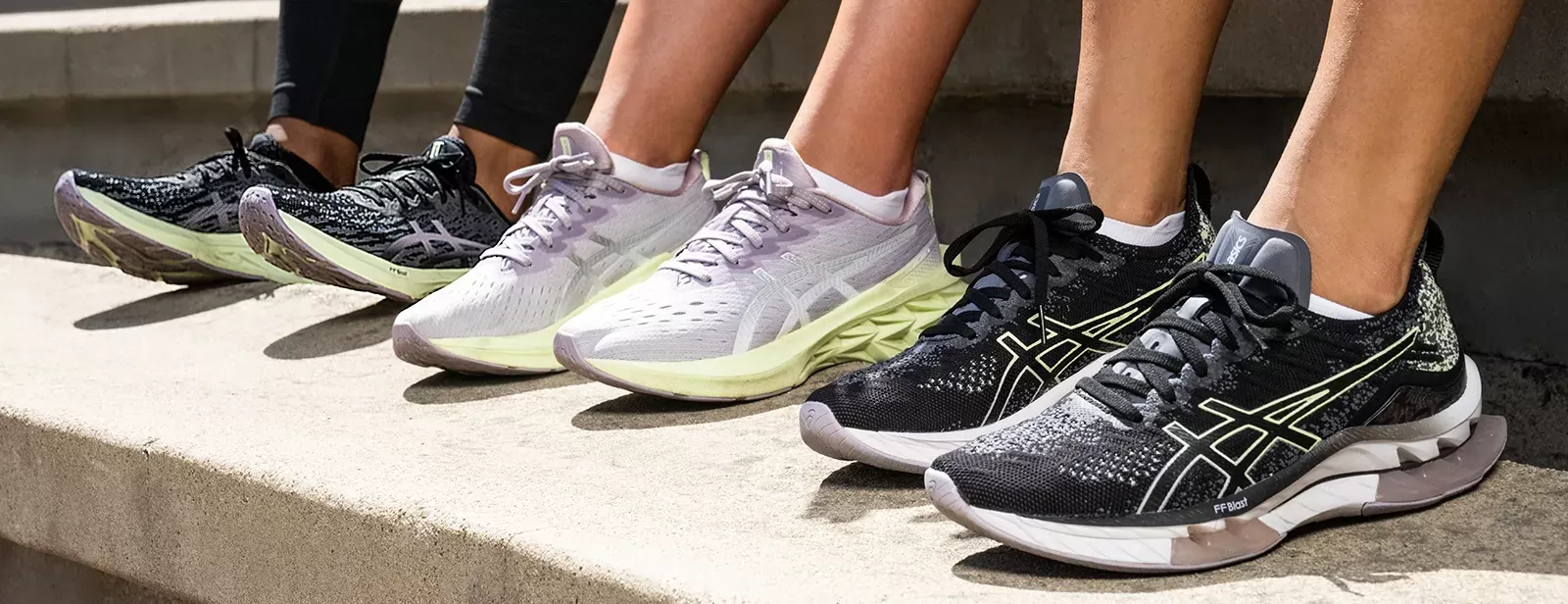
Technological advancements are revolutionizing the athletic footwear and apparel industry. From 3D printing and innovative materials to e-commerce and personalized fitness tracking, technology is reshaping how products are designed, manufactured, and marketed. Asics must embrace these advancements to remain competitive. How can Asics leverage technology to its advantage? By investing in research and development and integrating cutting-edge technology into its products and operations, Asics can enhance performance and customer experience.
 Technological Innovations in Asics Products
Environmental Concerns and Asics’ Sustainability
Growing environmental awareness and concerns about climate change are putting pressure on companies to adopt sustainable practices. Consumers are increasingly demanding eco-friendly products and transparent supply chains. Asics must prioritize sustainability to maintain its brand image and meet consumer expectations. How can Asics minimize its environmental footprint? By incorporating recycled materials, reducing waste in its manufacturing processes, and promoting sustainable consumption, Asics can contribute to a healthier planet.
 Asics' Commitment to Environmental Sustainability
Legal Landscape Impacting Asics’ Operations
The legal landscape, including intellectual property rights, advertising regulations, and labor laws, varies across different countries. Asics must navigate these legal complexities to ensure compliance and avoid potential legal challenges. How can Asics ensure legal compliance in its global operations? By maintaining a strong legal team and adhering to local regulations in each market, Asics can protect its brand and mitigate legal risks.
 Asics' Legal and Regulatory Compliance
FAQ: PESTEL Analysis of Asics
1. What is the biggest challenge Asics faces in the global market? Competition from established and emerging brands, coupled with rapidly changing consumer preferences, presents a significant challenge.
2. How can Asics leverage its strengths in the face of these challenges? By focusing on innovation, sustainability, and customer engagement, Asics can maintain its competitive edge.
3. What opportunities does the PESTEL analysis reveal for Asics? The growing health and wellness trend, coupled with advancements in technology, offer significant growth opportunities.
4. How can Asics mitigate the risks associated with political and economic instability? Diversification into new markets and developing flexible supply chain strategies can help mitigate these risks.
5. What is the importance of sustainability for Asics’ future? Sustainability is crucial for attracting environmentally conscious consumers and maintaining a positive brand image.
6. How can Asics ensure it stays ahead of the curve in terms of technological advancements? Continuous investment in research and development is key to leveraging new technologies and staying ahead of the competition.
7. What is the role of social media in Asics’ marketing strategy? Social media plays a vital role in engaging with consumers, building brand loyalty, and promoting new products.
Conclusion: Asics’ Path Forward
This PESTEL analysis of Asics highlights the complex interplay of factors shaping the company’s future. By understanding and effectively addressing these challenges and opportunities, Asics can continue to thrive in the competitive global marketplace. From embracing technological advancements to prioritizing sustainability and adapting to evolving social trends, Asics must remain agile and responsive to ensure its long-term success. By continuing to innovate and adapt, Asics can maintain its position as a leader in the athletic footwear and apparel industry.