

General Electric (GE), a multinational conglomerate, has a long history of technological innovation. From its beginnings with light bulbs and appliances to its current focus on renewable energy and aviation, GE has continuously adapted to and shaped the technological landscape. But how do these technological innovations interact with the broader political, economic, social, environmental, and legal context in which GE operates? A PESTEL analysis helps us unpack this complex relationship, providing valuable insights into the challenges and opportunities GE faces. Let’s dive into how technological advancements influence GE’s environmental footprint and how PESTEL factors shape this dynamic interplay.
Table Content:
- Political Factors Influencing GE’s Technological Innovation
- Economic Factors Shaping GE’s Technological Choices
- Social Trends Impacting GE’s Technological Development
- Technological Innovations Driving GE’s Future
- Environmental Concerns and GE’s Technological Response
- Legal Regulations Impacting GE’s Operations
- FAQ: Technological Innovations and GE’s PESTEL Analysis
- Conclusion
Political Factors Influencing GE’s Technological Innovation
Government policies play a crucial role in driving technological innovation, particularly in sectors like renewable energy. Subsidies, tax incentives, and regulations can encourage or discourage investment in specific technologies. For GE, navigating this political landscape is essential. How can GE leverage favorable policies to further its development of sustainable technologies?
Political factors also encompass international trade agreements and regulations. These can significantly impact GE’s ability to export and import its technologically advanced products. Tariffs, trade wars, and political instability in certain regions can disrupt supply chains and affect market access.
Economic Factors Shaping GE’s Technological Choices
Economic growth and stability directly influence demand for GE’s products and services. During periods of economic prosperity, investments in new technologies tend to rise. Recessions, on the other hand, can lead to cuts in research and development budgets. How does GE balance the need for continuous innovation with economic fluctuations?
The cost of raw materials, energy, and labor significantly impact GE’s production processes. Technological innovations aimed at increasing efficiency and reducing these costs are crucial for maintaining competitiveness. For example, advancements in automation and robotics can optimize manufacturing processes and reduce labor costs.
GE Automation and Robotics in Manufacturing
Social Trends Impacting GE’s Technological Development
Changing social values and consumer preferences are powerful drivers of technological innovation. Growing awareness of environmental issues, for example, has led to increased demand for sustainable products and services. This societal shift presents both a challenge and an opportunity for GE. How can GE anticipate and respond to these evolving social trends?
The aging population in many developed countries creates a demand for healthcare technologies. GE’s healthcare division can leverage this trend by developing innovative medical devices and diagnostic tools. Furthermore, increasing urbanization creates a need for smart city technologies, an area where GE can offer solutions for infrastructure management and energy efficiency.
 GE Healthcare Technology for an Aging Population
Technological Innovations Driving GE’s Future
Rapid technological advancements across various industries create both opportunities and threats for GE. Staying at the forefront of innovation is critical for maintaining its competitive edge. Investments in research and development, strategic partnerships, and acquisitions of innovative startups are crucial for GE’s long-term success. What are the key technological trends shaping GE’s strategy?
The rise of artificial intelligence (AI), the Internet of Things (IoT), and big data analytics presents enormous potential for GE. These technologies can be integrated into various GE products and services, from aircraft engines to power grids, leading to improved efficiency, predictive maintenance, and new business models. However, keeping pace with these rapid advancements requires significant investment and agility.
 GE AI and IoT in Industrial Applications
Environmental Concerns and GE’s Technological Response
Environmental sustainability is becoming increasingly important for businesses. Growing public concern over climate change, pollution, and resource depletion puts pressure on companies to adopt environmentally friendly practices. For GE, this translates into a need to develop and implement technologies that minimize environmental impact. How can GE balance its technological advancements with environmental stewardship?
Developing renewable energy technologies, such as wind turbines and solar panels, is a key focus for GE. Investing in these technologies not only addresses environmental concerns but also creates new business opportunities. Furthermore, developing more efficient and less polluting aircraft engines and power generation technologies is crucial for reducing GE’s overall environmental footprint.
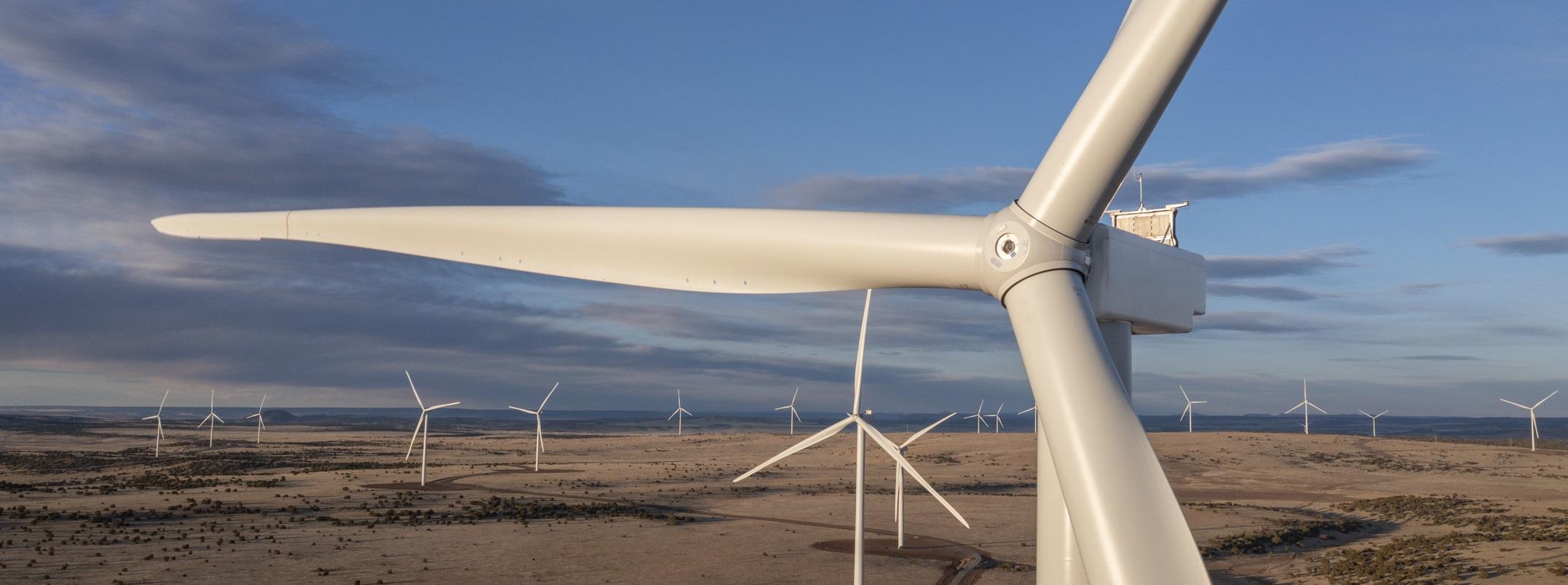 GE Wind Turbines and Sustainable Energy
Legal Regulations Impacting GE’s Operations
Environmental regulations and emission standards directly impact GE’s operations, particularly in the energy and aviation sectors. Compliance with these regulations is essential for avoiding penalties and maintaining a positive public image. How does GE adapt to evolving environmental regulations across different jurisdictions?
Intellectual property rights are crucial for protecting GE’s technological innovations. Patents, trademarks, and trade secrets safeguard GE’s competitive advantage and encourage further investment in research and development. Navigating the complex legal landscape of intellectual property rights is essential for GE’s long-term success.
FAQ: Technological Innovations and GE’s PESTEL Analysis
- How does PESTEL analysis help GE? PESTEL provides a framework for understanding the external factors influencing GE’s operations and informing strategic decision-making.
- What is the biggest technological challenge for GE? Keeping pace with rapid technological advancements and adapting its business model accordingly.
- How is GE addressing environmental concerns? By investing in renewable energy technologies and developing more efficient and less polluting products.
- What role do government policies play in GE’s innovation? Government incentives and regulations can significantly impact GE’s investment decisions in new technologies.
- How does GE manage the economic impact of technological change? By focusing on innovations that increase efficiency and reduce costs, while also exploring new business models.
- What is the importance of social trends for GE? Understanding and responding to changing consumer preferences and social values is crucial for GE’s long-term success.
- How does GE protect its technological innovations? Through patents, trademarks, and other intellectual property rights.
Conclusion
Technological innovations are at the heart of GE’s business strategy. Understanding the complex interplay between these innovations and the broader PESTEL factors is crucial for navigating the challenges and capitalizing on the opportunities that lie ahead. By carefully analyzing the political, economic, social, technological, environmental, and legal landscape, GE can make informed decisions that drive sustainable growth and ensure its continued success in a rapidly evolving world. From renewable energy to advanced healthcare technologies, GE’s response to these external forces shapes not only its own future but also the future of the industries it operates in.