
Lima, Peru’s vibrant capital city, is renowned worldwide for its exquisite cuisine. But who discovered this culinary haven and laid the foundation for its gastronomic greatness? While pinpointing a single discoverer is impossible, exploring Lima’s rich history reveals a fascinating tapestry of influences that have shaped its unique culinary identity. From ancient indigenous civilizations to Spanish conquistadors and waves of immigrants, each group has contributed to the diverse and delicious foods Lima offers today.
Table Content:
The Ancient Roots of Lima’s Cuisine
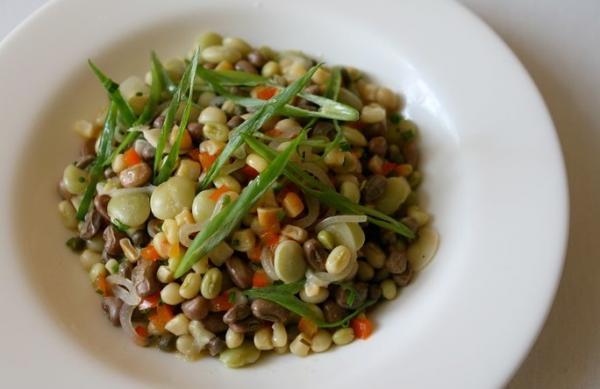
Long before the arrival of Europeans, the area around Lima was home to various indigenous cultures, most notably the Ichma. These ancient peoples were skilled farmers and fishermen, cultivating crops like potatoes, corn, and beans, and harvesting the abundant seafood from the Pacific Ocean. These ingredients formed the basis of their diet and laid the groundwork for many traditional Peruvian dishes. The Ichma also developed sophisticated irrigation systems, transforming the arid coastal lands into fertile agricultural valleys, which further enriched their food supply. Ancient Lima Agriculture
The Spanish Influence and the Birth of Fusion Cuisine
In 1535, Francisco Pizarro, a Spanish conquistador, founded the city of Lima, marking a turning point in Peruvian history and its culinary landscape. The Spanish brought with them new ingredients, such as livestock (cattle, pigs, and chickens), wheat, rice, and various fruits and vegetables. These additions, combined with the existing indigenous ingredients, led to the development of a unique fusion cuisine that blended Inca traditions with European flavors. This fusion is evident in dishes like Aji de Gallina, a creamy chicken stew with aji amarillo peppers and walnuts, a perfect example of the culinary marriage between indigenous ingredients and European techniques. 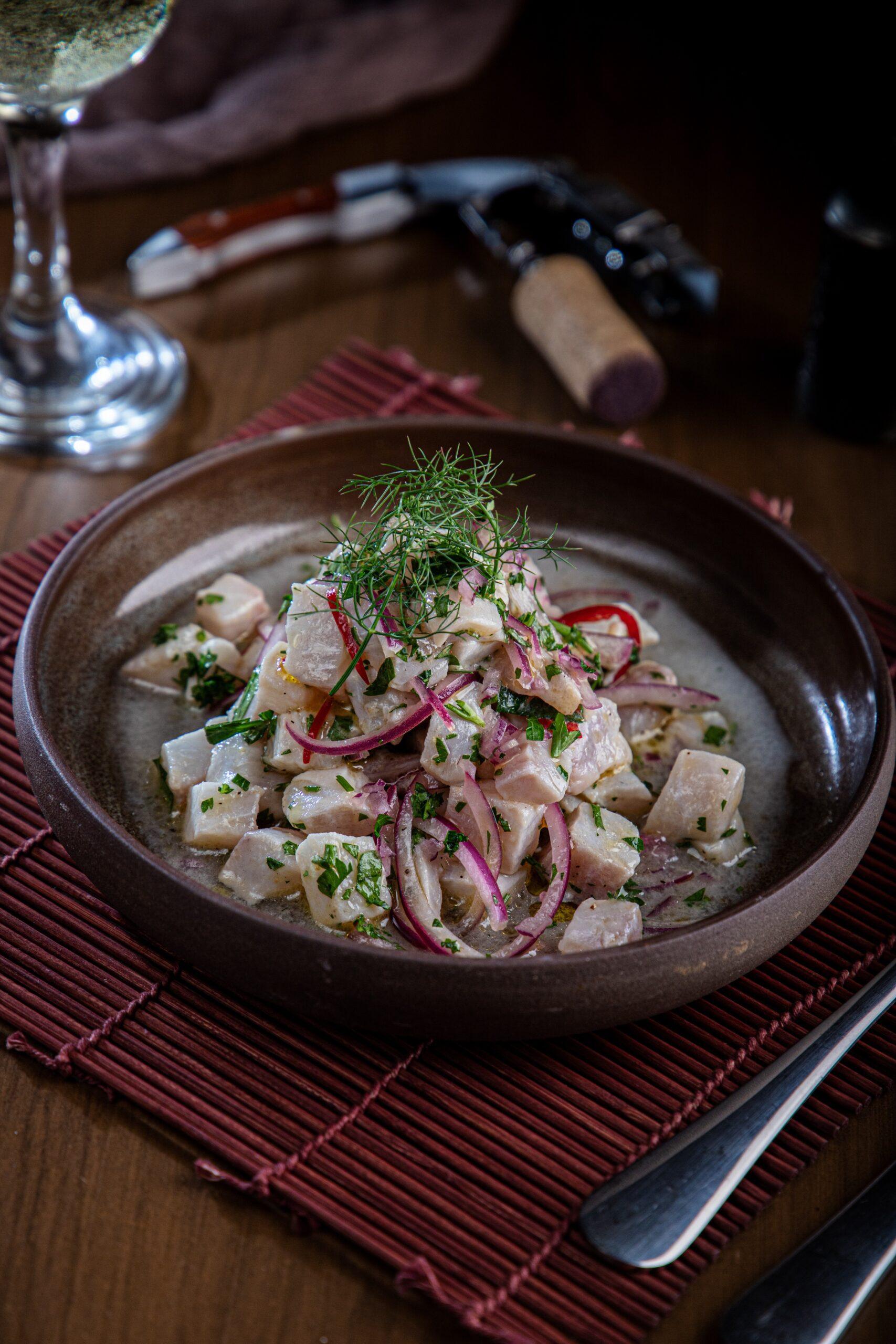 Spanish Influence on Lima Cuisine
Waves of Immigration and Culinary Diversity
Over the centuries, Lima has welcomed immigrants from all corners of the globe, each bringing their unique culinary traditions and further enriching the city’s food scene. Chinese immigrants, arriving in the 19th century, introduced Cantonese cooking techniques and ingredients, resulting in the creation of Chifa, a unique Peruvian-Chinese fusion cuisine. Similarly, Japanese immigrants brought their culinary expertise, influencing the development of Nikkei cuisine, a blend of Peruvian and Japanese flavors. Italian, African, and other European influences have also left their mark, creating a vibrant and diverse culinary tapestry that is unique to Lima.  Immigrant Influence on Lima Cuisine
Lima: A Modern Culinary Metropolis
Today, Lima is recognized as a global culinary hotspot, boasting world-renowned restaurants and innovative chefs who continue to push the boundaries of Peruvian cuisine. The city’s rich history and cultural diversity are reflected in its food, offering a unique and unforgettable dining experience. From traditional ceviche to innovative Nikkei creations, Lima’s culinary scene is a testament to its fascinating past and its vibrant present. For those curious to delve deeper into the third season of the popular British TV show, you might enjoy reading more about dr who 3rd season. This science fiction series, though not directly related to Peruvian cuisine, offers an exploration of different cultures and histories, much like the diverse influences that shaped Lima’s culinary landscape.
Lima City: Who Discovered Its Culinary Potential?
While no single person can claim to have “discovered” Lima’s culinary potential, the combined efforts of ancient civilizations, Spanish conquistadors, and waves of immigrants have created the gastronomic powerhouse we know today. The city’s culinary scene is a reflection of its diverse history and a testament to the ingenuity and creativity of its people.  Modern Lima Culinary Scene
Conclusion
Lima’s journey from a small indigenous settlement to a global culinary capital is a fascinating story of cultural exchange and culinary innovation. The city’s rich history is intricately woven into its food, offering a unique and delicious experience for anyone who visits. So, the next time you savor a plate of ceviche or a bowl of Lomo Saltado, remember the diverse influences that have shaped Lima’s culinary identity, making it the foodie paradise it is today.
FAQ
-
What are some must-try dishes in Lima?
Ceviche, Lomo Saltado, Aji de Gallina, and Causa Rellena are just a few of the many delicious dishes to try in Lima. -
Where can I find the best street food in Lima?
Miraflores and Barranco are great neighborhoods to explore for street food vendors. -
What is Chifa cuisine?
Chifa is a unique Peruvian-Chinese fusion cuisine, a result of Chinese immigration to Peru. -
What is Nikkei cuisine?
Nikkei is a blend of Peruvian and Japanese flavors, developed through the influence of Japanese immigrants. -
Are there vegetarian/vegan options in Lima?
Yes, many restaurants offer vegetarian and vegan options, and traditional Peruvian cuisine often features beans, lentils, and vegetables. -
What is the cultural significance of food in Lima?
Food plays a central role in Peruvian culture, representing history, tradition, and community. -
Is it safe to eat street food in Lima?
While generally safe, it’s always best to choose vendors that appear clean and hygienic.
