
The date September 25, 1957, resonates in American history as a pivotal moment in the Civil Rights Movement. On this day, nine brave African American students, known as the Little Rock Nine, integrated Central High School in Little Rock, Arkansas, defying segregation and igniting a national conversation about racial equality. September 25 1957 Who Was In The Group? Their names, forever etched in history, are: Ernest Green, Elizabeth Eckford, Jefferson Thomas, Terrence Roberts, Carlotta Walls LaNier, Minnijean Brown, Gloria Ray Karlmark, Thelma Parks, and Melba Pattillo Beals.
Table Content:
These nine teenagers, chosen for their academic excellence and strong character, became symbols of courage and resilience in the face of intense racism and hostility. Their decision to attend Central High School, an all-white institution at the time, was a direct challenge to the prevailing segregation laws in the South. The Little Rock Nine’s actions sparked a national crisis, forcing President Eisenhower to intervene and send federal troops to escort them to school, ensuring their safety and upholding the law of the land.
The integration of Central High School was not a smooth transition. The Little Rock Nine endured constant harassment, verbal abuse, and threats of physical violence from white students, parents, and even some members of the community. They faced daily struggles, navigating hostile hallways and classrooms, all while striving to maintain their academic focus. Each member of the Little Rock Nine experienced the trauma of segregation in their own way, yet their collective strength and determination never wavered.
Ernest Green, the eldest of the group, paved the way, becoming the first African American to graduate from Central High School in 1958. His graduation marked a significant victory in the fight for desegregation, demonstrating that integration was possible, though the struggle was far from over. Each member of the Little Rock Nine went on to achieve success in their respective fields, becoming educators, activists, and authors, continuing to advocate for social justice and equality.
The story of the Little Rock Nine underscores the importance of youth activism and the power of collective action. Their bravery and resilience in the face of adversity served as an inspiration to countless others fighting for civil rights. Their actions on September 25, 1957, and the subsequent events, played a crucial role in dismantling segregation in public schools and advancing the cause of civil rights in America. The legacy of the Little Rock Nine continues to inspire generations to challenge injustice and strive for a more equitable society.
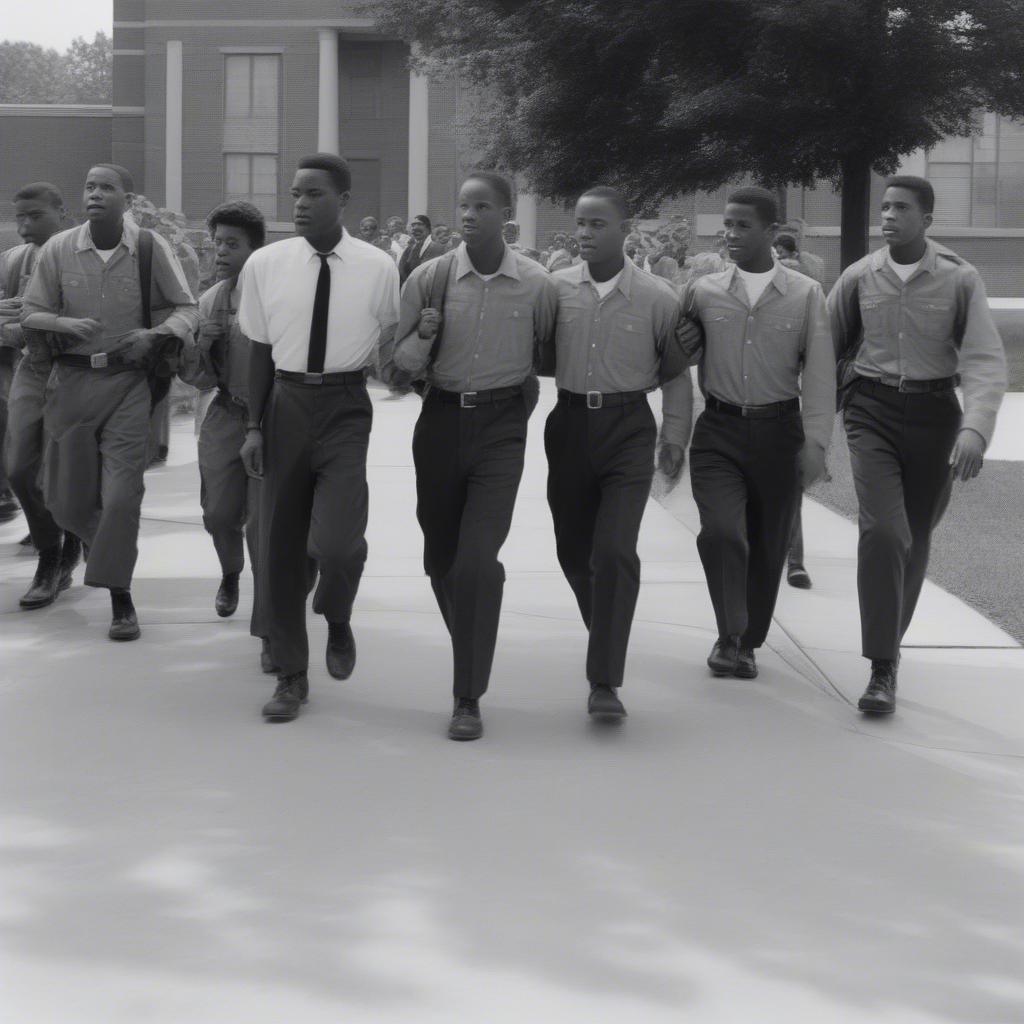
The Little Rock Nine entering Central High School on September 25, 1957
The courage displayed by these nine students highlighted the deep-seated racial divide in America and the urgent need for social change. Their experience also revealed the complexities of integration, showcasing the challenges and triumphs that came with breaking down racial barriers in education. The events of September 25, 1957, and the following months, became a defining moment in the struggle for civil rights, forever changing the landscape of American education and society.
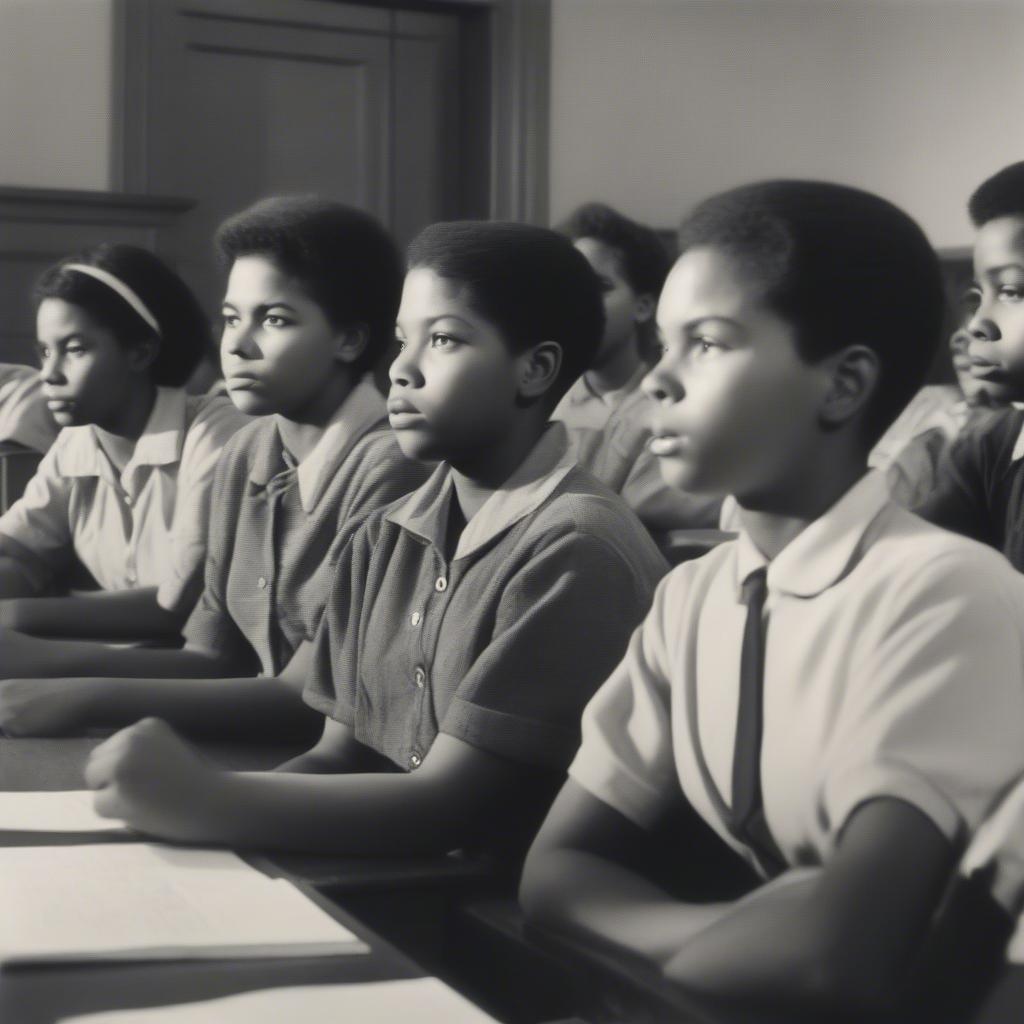 The Little Rock Nine attending classes at Central High
“The Little Rock Nine’s unwavering commitment to education in the face of such adversity is truly remarkable,” says Dr. Martin Luther King Jr. historian, Dr. Amelia Carter. “Their bravery reminds us of the power of young people to affect change.”
The integration of Central High School was not just a local event; it captured the nation’s attention and became a symbol of the broader struggle for civil rights. The Little Rock Nine’s story continues to be relevant today, reminding us of the importance of fighting for equality and justice for all.
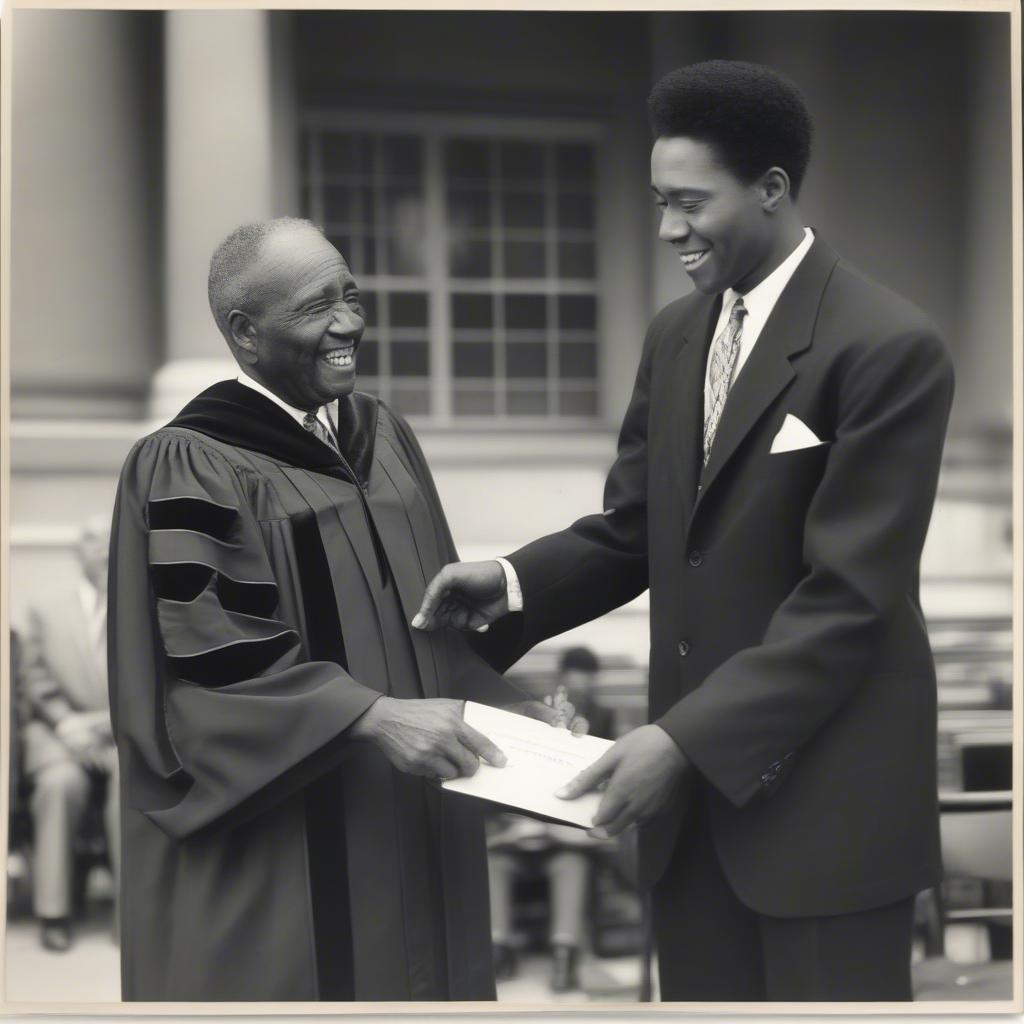 Ernest Green's Graduation from Central High
“Their persistence transformed the educational landscape in America,” adds Dr. Kenneth Johnson, a Civil Rights scholar. “The Little Rock Nine’s legacy continues to inspire us to challenge inequality and create a more just society.”
The events of September 25, 1957, serve as a powerful reminder of the long and arduous journey towards racial equality in the United States. The Little Rock Nine’s courage and determination continue to inspire generations to fight for justice and equality.
FAQ
-
Who were the Little Rock Nine? The Little Rock Nine were nine African American students who integrated Central High School in Little Rock, Arkansas, in 1957.
-
Why is September 25, 1957, significant? This is the date the Little Rock Nine first entered Central High School, marking a pivotal moment in the Civil Rights Movement.
-
What challenges did the Little Rock Nine face? They faced intense racism, harassment, and threats of violence from white students, parents, and community members.
-
Who was the first African American to graduate from Central High? Ernest Green was the first to graduate in 1958.
-
What is the legacy of the Little Rock Nine? They are remembered for their bravery and resilience, inspiring generations to fight for social justice and equality.
-
Why is their story still relevant today? Their story highlights the ongoing struggle for racial equality and the importance of challenging injustice.
-
Where can I learn more about the Little Rock Nine? Numerous books, documentaries, and museums offer in-depth information about their experiences and the impact they had on the Civil Rights Movement.