
The question of “Who Was Doing The Studying Of Havasupai” is complex and touches upon a sensitive history of research ethics and cultural misunderstanding. The Havasupai Tribe, residing in the Grand Canyon, has been the subject of various studies over the years, some of which have caused significant controversy and harm. Understanding this history requires looking at the different researchers involved, the nature of their studies, and the lasting impact on the tribe.
Table Content:
The earliest studies of the Havasupai, conducted in the late 19th and early 20th centuries, were primarily anthropological and linguistic. Researchers like John Wesley Powell documented the tribe’s culture, language, and traditions. While these early studies contributed to academic understanding, they often lacked cultural sensitivity and sometimes perpetuated harmful stereotypes.
Later, in the mid-20th century, researchers began focusing on the Havasupai’s unique environment and its impact on their health and lifestyle. These studies, while often well-intentioned, sometimes failed to fully involve the tribe in the research process or adequately consider their perspectives.
Perhaps the most controversial research involving the Havasupai began in the late 1980s and centered around the prevalence of diabetes within the tribe. Researchers from Arizona State University (ASU) collected blood samples from tribal members, initially with the stated purpose of studying diabetes. However, these samples were later used for research on schizophrenia, inbreeding, and migration patterns, without the informed consent of the Havasupai. This misuse of blood samples caused deep mistrust and outrage within the tribe, leading to a protracted legal battle and a settlement in 2010.
The ASU case highlighted the ethical dilemmas inherent in conducting research on vulnerable populations. It underscored the importance of informed consent, cultural sensitivity, and respectful collaboration with indigenous communities. The experience of the Havasupai serves as a cautionary tale for researchers and emphasizes the need for ethical guidelines and practices that protect the rights and interests of indigenous peoples.
So, who was doing the studying of Havasupai? It wasn’t a single individual or group, but a series of researchers over many decades with varying motivations and methodologies. The legacy of this research is mixed, containing both valuable contributions to knowledge and painful reminders of ethical transgressions.
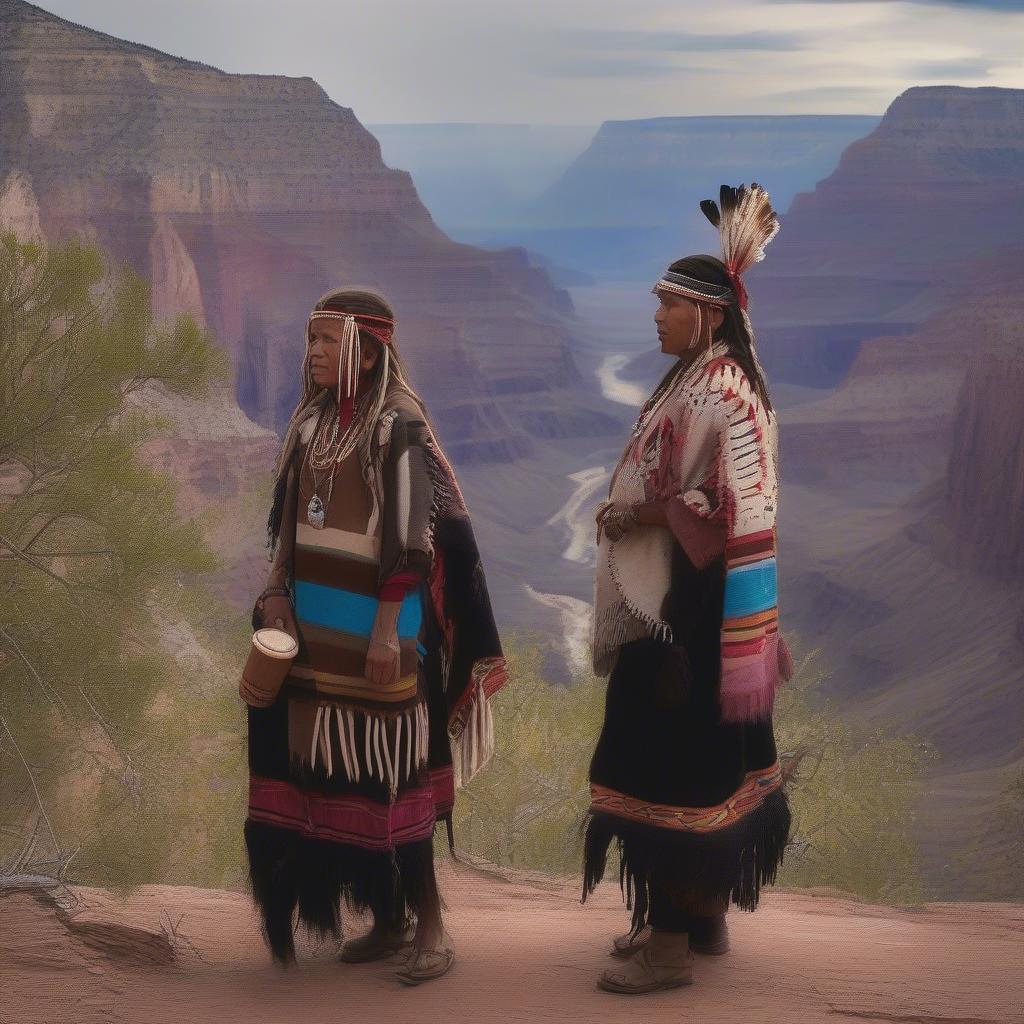
Havasupai Tribe in the Grand Canyon
The Havasupai Tribe, through their experiences, has played a vital role in shaping the conversation around research ethics and indigenous rights. Their story underscores the importance of treating all research participants with respect, dignity, and transparency. Moving forward, it is crucial that researchers engage with indigenous communities in a collaborative and ethical manner, ensuring that research benefits both the scientific community and the communities being studied.
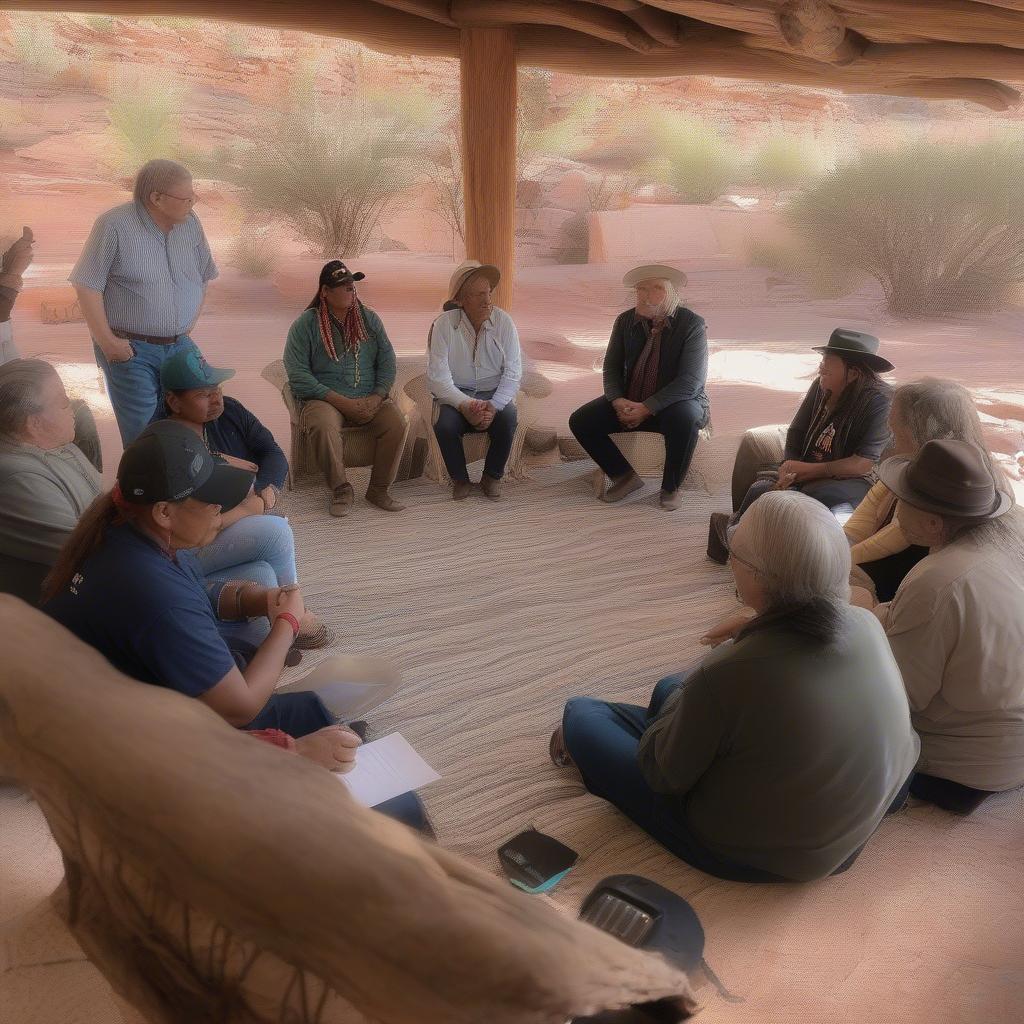 Havasupai Researchers Meeting with Tribal Leaders
The story of the Havasupai reminds us that research is not just about collecting data, but also about building relationships, respecting cultural boundaries, and ensuring that the pursuit of knowledge does not come at the expense of human dignity.
Who Was Studying the Havasupai: FAQs
-
What is the main controversy surrounding the Havasupai research? The main controversy centers on the misuse of blood samples collected for diabetes research, which were later used without consent for studies on schizophrenia, inbreeding, and migration.
-
Why is the Havasupai case important for research ethics? It highlights the importance of informed consent, cultural sensitivity, and respectful collaboration with indigenous communities in research.
-
What were the early studies of the Havasupai focused on? Early studies focused primarily on anthropology and linguistics, documenting the tribe’s culture, language, and traditions.
-
What lessons can be learned from the Havasupai experience? Researchers must prioritize ethical guidelines, ensure transparency, and respect the rights and interests of indigenous peoples.
-
How can researchers ensure ethical practices when working with indigenous communities? By obtaining informed consent, engaging in collaborative research design, and respecting cultural boundaries.
-
What is the current relationship between researchers and the Havasupai Tribe? The relationship remains complex, marked by the legacy of past transgressions but also by ongoing efforts to rebuild trust and establish ethical research practices.
-
Where can I learn more about the Havasupai Tribe? Information can be found through reputable sources like the tribe’s official website and academic publications focused on indigenous studies.