
Vietnamese street food is a vibrant tapestry of flavors, aromas, and cultural experiences. From bustling city streets to tranquil countryside lanes, the sights and sounds of food vendors preparing and serving their specialties are an integral part of Vietnamese life. This lyrics journey explores the “who’s crying now” moment of discovering the addictive delights of Vietnamese street food – that bittersweet pang of realizing you might not be able to experience it every day.
Table Content:
- A Symphony of Flavors: Exploring Popular Vietnamese Street Food Dishes
- Regional Variations: A Culinary Journey Across Vietnam
- The Art of Vietnamese Street Food: Ingredients and Techniques
- Beyond the Plate: The Cultural Significance of Vietnamese Street Food
- Finding the Best Bites: Navigating the World of Vietnamese Street Food
- Conclusion: Who’s Crying Now? Savoring the Memories of Vietnamese Street Food
- FAQ
A Symphony of Flavors: Exploring Popular Vietnamese Street Food Dishes
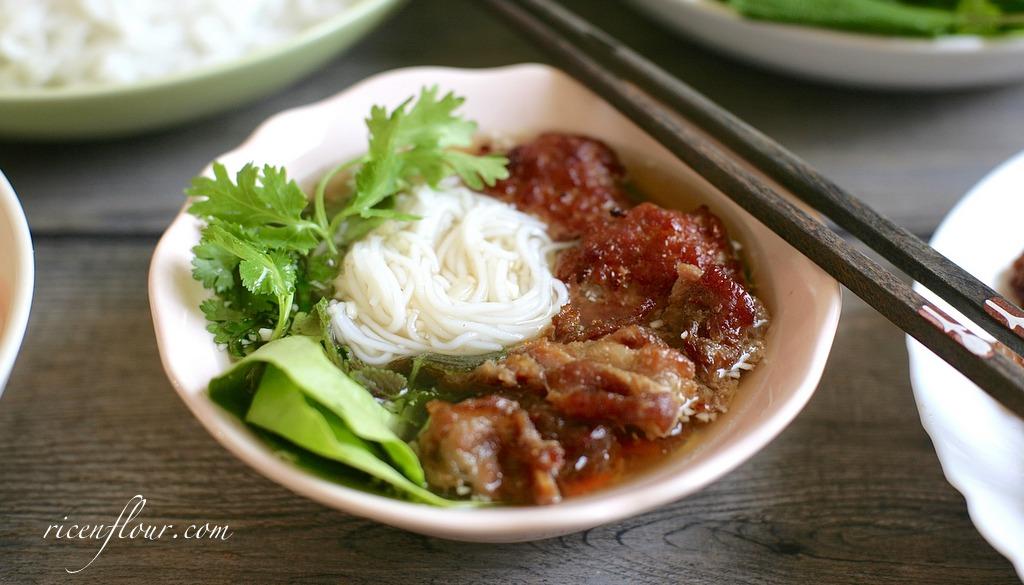
Pho, undoubtedly the most iconic Vietnamese dish, is often the first introduction to the world of Vietnamese street food. A steaming bowl of fragrant broth, tender rice noodles, and thinly sliced beef or chicken, pho is a comforting and flavorful meal any time of day. But the adventure doesn’t stop there. Banh mi, a crispy baguette filled with savory meats, pickled vegetables, and fresh cilantro, offers a delightful mix of textures and tastes. Then there’s bun cha, grilled pork patties and vermicelli noodles served with a dipping sauce, a Hanoi specialty that tantalizes the taste buds.
Vietnamese Street Food Classics: Pho, Banh Mi, and Bun Cha
Regional Variations: A Culinary Journey Across Vietnam
Vietnamese street food varies significantly from region to region, reflecting the diverse culinary traditions and local ingredients. In the north, you’ll find dishes influenced by Chinese cuisine, while central Vietnam boasts spicier flavors. Southern Vietnam, with its proximity to the Mekong Delta, features dishes incorporating fresh seafood and coconut milk. From the savory cao lau noodles of Hoi An to the flavorful banh xeo crepes of central Vietnam, each region offers a unique and exciting culinary experience.
 Regional Vietnamese Street Food Delights
The Art of Vietnamese Street Food: Ingredients and Techniques
The magic of Vietnamese street food lies in the skillful combination of fresh ingredients and traditional cooking techniques. Fresh herbs, spices, and vegetables play a crucial role in creating the complex and balanced flavors. From the fragrant lemongrass and mint in pho to the spicy chilies in bun bo Hue, every ingredient contributes to the symphony of tastes. The cooking methods, often passed down through generations, further enhance the flavors. Grilling, steaming, and stir-frying are just a few techniques employed to create the distinctive tastes of Vietnamese street food.
“The key to authentic Vietnamese street food is the balance of flavors,” says acclaimed Vietnamese chef, Mai Nguyen. “It’s about harmonizing sweet, sour, salty, spicy, and umami to create a truly unforgettable culinary experience.”
Beyond the Plate: The Cultural Significance of Vietnamese Street Food
Vietnamese street food is more than just a meal; it’s a cultural experience. It’s a way of life, a social gathering place, and a reflection of Vietnamese history and traditions. The bustling street food stalls, the aroma of grilling meats, and the lively chatter of vendors and customers create a unique and vibrant atmosphere.
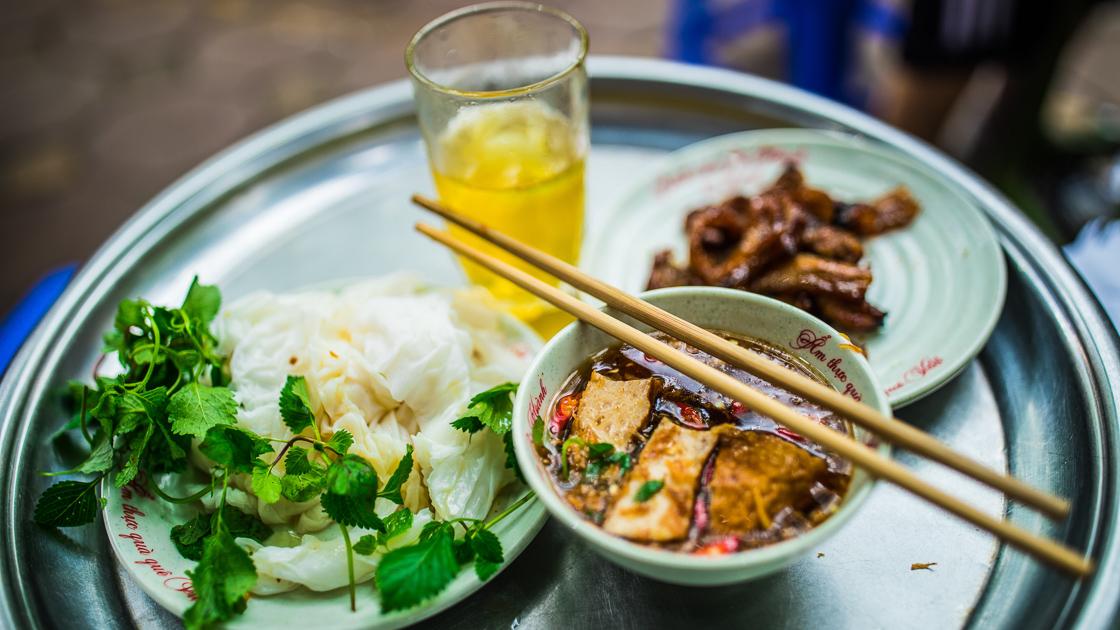 Vietnamese Street Food Culture
Finding the Best Bites: Navigating the World of Vietnamese Street Food
For those eager to embark on their own lyrics journey through Vietnamese street food, a few tips can help navigate the culinary landscape. Start by exploring local markets and street corners, where you’ll find a plethora of vendors offering their specialties. Don’t be afraid to try new things and ask locals for recommendations. Be mindful of food safety and hygiene, and embrace the adventure of discovering new flavors and experiences.
“The best way to experience Vietnamese street food is to immerse yourself in the local culture,” advises travel writer, Anh Tuan. “Venture beyond the tourist hotspots and explore the hidden gems where locals gather for their favorite street food fix.”
Conclusion: Who’s Crying Now? Savoring the Memories of Vietnamese Street Food
The lyrics journey through Vietnamese street food is a sensory adventure that leaves a lasting impression. From the first bite of pho to the last sip of che, the flavors, aromas, and cultural experiences become etched in memory. And as you reminisce about the culinary delights, a bittersweet pang of longing might strike – the “who’s crying now” moment of realizing you might not be able to experience it again soon. But the memories, like the flavors, linger, inspiring future culinary explorations and a deeper appreciation for the vibrant world of Vietnamese street food.
FAQ
-
What are some must-try Vietnamese street food dishes?
Pho, banh mi, bun cha, and goi cuon (fresh spring rolls) are just a few of the many must-try dishes. -
Where can I find the best street food in Vietnam?
Explore local markets, street corners, and ask locals for recommendations. -
Is Vietnamese street food safe to eat?
Be mindful of food safety and hygiene practices, and choose vendors that appear clean and reputable. -
Are there vegetarian/vegan options available?
Yes, many vegetarian/vegan options are available, such as tofu banh mi and vegetarian pho. -
How much does Vietnamese street food typically cost?
Street food is generally very affordable, with prices ranging from a few thousand to a few tens of thousands of Vietnamese dong. -
What are some tips for ordering street food in Vietnam?
Learn a few basic Vietnamese phrases, be adventurous, and don’t be afraid to ask for recommendations. -
What is the cultural significance of street food in Vietnam?
Street food is an integral part of Vietnamese culture, reflecting history, traditions, and social interactions.