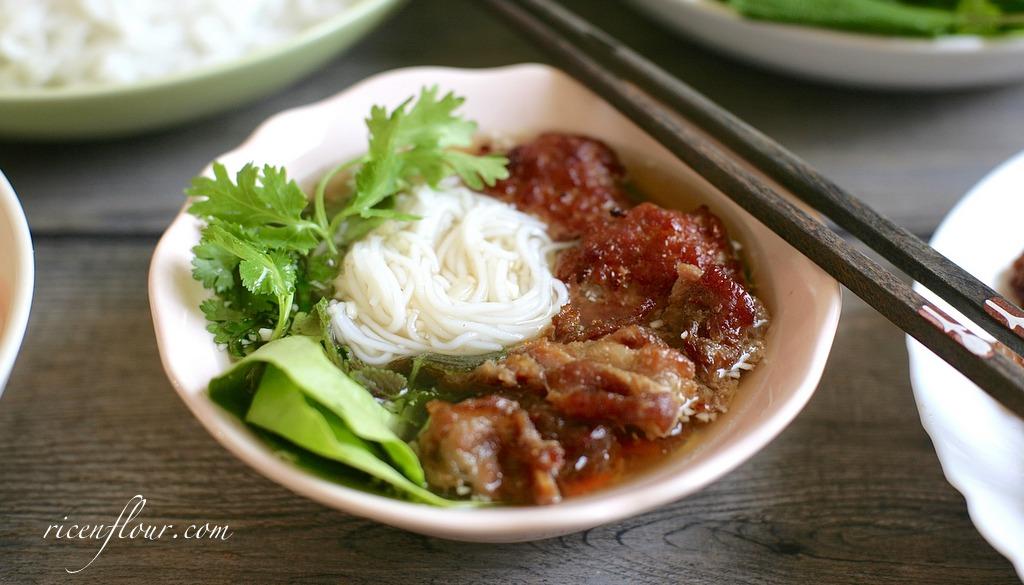

Vietnamese street food is a vibrant and integral part of the country’s culture. From bustling city streets to quaint countryside villages, the aroma of freshly cooked dishes fills the air, enticing locals and tourists alike. This culinary adventure offers a unique and affordable way to experience the authentic flavors of Vietnam.
Table Content:
A Culinary Tapestry: Exploring Regional Variations
Vietnamese street food isn’t monolithic; it’s a diverse tapestry woven with regional influences. The north boasts savory pho, flavorful bun cha, and delicate banh cuon. Central Vietnam tantalizes with spicy bun bo Hue and the crispy banh xeo. In the south, you’ll encounter the refreshing goi cuon, the flavorful com tam, and the iconic banh mi. Each region adds its own unique twist to these beloved dishes, creating a symphony of flavors that reflect the country’s rich culinary heritage.
Hanoi street food vendors preparing and serving various dishes to customers.
From Street to Soul: The Cultural Significance
More than just a quick meal, Vietnamese street food is deeply intertwined with the country’s social fabric. It’s a communal experience, a place where people gather to connect, share stories, and savor the simple pleasures of life. Street food vendors are often family-run businesses, passing down recipes and traditions through generations. This connection to heritage and community is what makes Vietnamese street food so special.
 A Vietnamese family enjoys a variety of street food dishes together.
A Symphony of Flavors: Ingredients and Cooking Techniques
Fresh herbs, vibrant spices, and locally sourced ingredients are the cornerstones of Vietnamese street food. From the fragrant lemongrass and mint to the fiery chili and ginger, each ingredient plays a vital role in creating the complex flavor profiles that define Vietnamese cuisine. Cooking techniques are equally important, ranging from quick stir-fries to slow simmering broths, ensuring each dish is cooked to perfection.
 Fresh herbs, vegetables, and spices used in preparing Vietnamese street food.
Navigating the Culinary Landscape: Tips for Street Food Adventures
Embarking on a Vietnamese street food adventure can be exciting, but a little guidance can enhance the experience. Don’t be afraid to try new things, ask locals for recommendations, and observe how others order. Most vendors are happy to explain their dishes and adjust the spice level to your preference. Be prepared to eat on small plastic stools, embrace the bustling atmosphere, and immerse yourself in the vibrant street food culture.
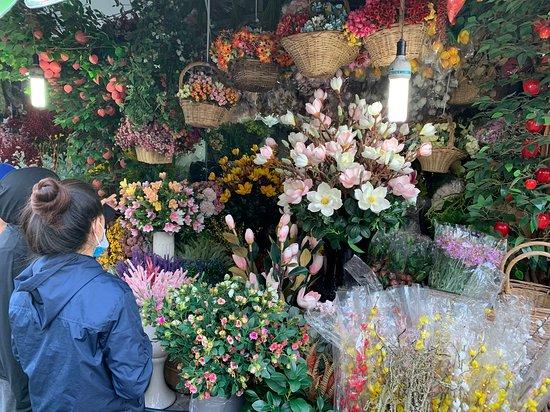 A bustling street food stall in Ho Chi Minh City, Vietnam.
Beyond the Classics: Vegetarian and Vegan Options
Vietnamese cuisine is surprisingly adaptable for vegetarians and vegans. Many dishes can be easily modified by substituting tofu or mushrooms for meat. Look for dishes featuring fresh vegetables, rice noodles, and flavorful broths. Bún chả chay (vegetarian bun cha), gỏi cuốn chay (vegetarian fresh spring rolls), and bánh mì chay (vegetarian banh mi) are just a few examples of the delicious vegetarian and vegan options available.
Conclusion
Vietnamese street food offers a captivating culinary journey, inviting you to explore a world of flavors, textures, and cultural experiences. From the bustling streets of Hanoi to the vibrant markets of Ho Chi Minh City, each bite tells a story, connecting you to the heart and soul of Vietnam. So, next time you find yourself in Vietnam, venture out and discover the delights of Vietnamese street food.
FAQ
-
What are some must-try Vietnamese street food dishes? Pho, bun cha, banh mi, goi cuon, and banh xeo are some of the most popular and highly recommended dishes.
-
How much does Vietnamese street food typically cost? Most street food dishes are incredibly affordable, ranging from $1 to $3 USD.
-
Is Vietnamese street food safe to eat? Generally, yes. Look for busy stalls with high turnover, indicating fresh ingredients.
-
Are there vegetarian options available? Yes, many dishes can be adapted for vegetarians, often using tofu or mushrooms as substitutes.
-
Where can I find the best street food in Vietnam? Hanoi, Ho Chi Minh City, Hoi An, and Hue are all renowned for their excellent street food scenes.
-
What is the best way to order street food? Pointing at dishes or using simple Vietnamese phrases can be helpful. Observing how locals order is also a good strategy.
-
What are some tips for enjoying Vietnamese street food? Embrace the bustling atmosphere, be adventurous with your choices, and don’t be afraid to ask locals for recommendations.