Vietnamese street food is a vibrant tapestry of flavors, aromas, and cultural traditions. It’s a culinary adventure that captivates the senses and offers a glimpse into the heart and soul of Vietnam. From bustling city streets to quaint rural villages, the sights, sounds, and smells of street food vendors create an irresistible symphony. Guess Who Rules these vibrant culinary landscapes? It’s the passionate cooks, the age-old recipes, and the fresh, local ingredients that combine to create an unforgettable experience.
Table Content:
Unwrapping the Secrets of Vietnamese Street Food
Vietnamese street food is more than just a quick meal; it’s a way of life. It represents community, connection, and a deep appreciation for fresh, flavorful ingredients. Each dish tells a story, often passed down through generations, reflecting the diverse regional influences and historical narratives of Vietnam. The essence of Vietnamese cuisine lies in its delicate balance of sweet, sour, salty, spicy, and bitter flavors, achieved through the skillful use of herbs, spices, and sauces.
The foundation of many Vietnamese street food dishes is the ubiquitous nước chấm, a versatile dipping sauce made with fish sauce, lime juice, sugar, garlic, and chili. Its umami richness enhances the flavors of everything from grilled meats to fresh spring rolls. Another staple is the fragrant phở broth, simmered for hours with aromatic spices like star anise, cinnamon, and cloves.
A Culinary Journey Through Vietnam’s Regions
From the bustling streets of Hanoi in the north to the vibrant Mekong Delta in the south, Vietnamese street food varies dramatically, reflecting the unique culinary traditions of each region. Northern Vietnamese cuisine is known for its subtle flavors and emphasis on fresh herbs, while central Vietnam boasts bold, spicy dishes. Southern Vietnamese food is characterized by its sweetness and use of coconut milk.
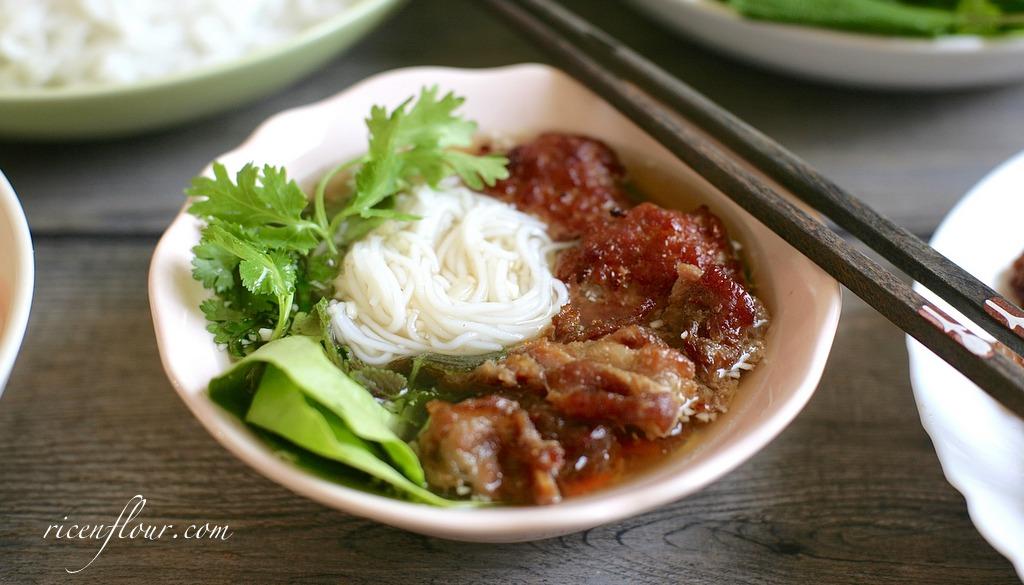
In Hanoi, you might find yourself slurping a steaming bowl of phở, savoring the delicate balance of flavors in bún chả (vermicelli noodles with grilled pork), or indulging in the crispy goodness of bánh mì. Meanwhile, in Hoi An, the ancient trading port in central Vietnam, you can sample cao lầu, a unique noodle dish with influences from Japanese, Chinese, and French cuisine.
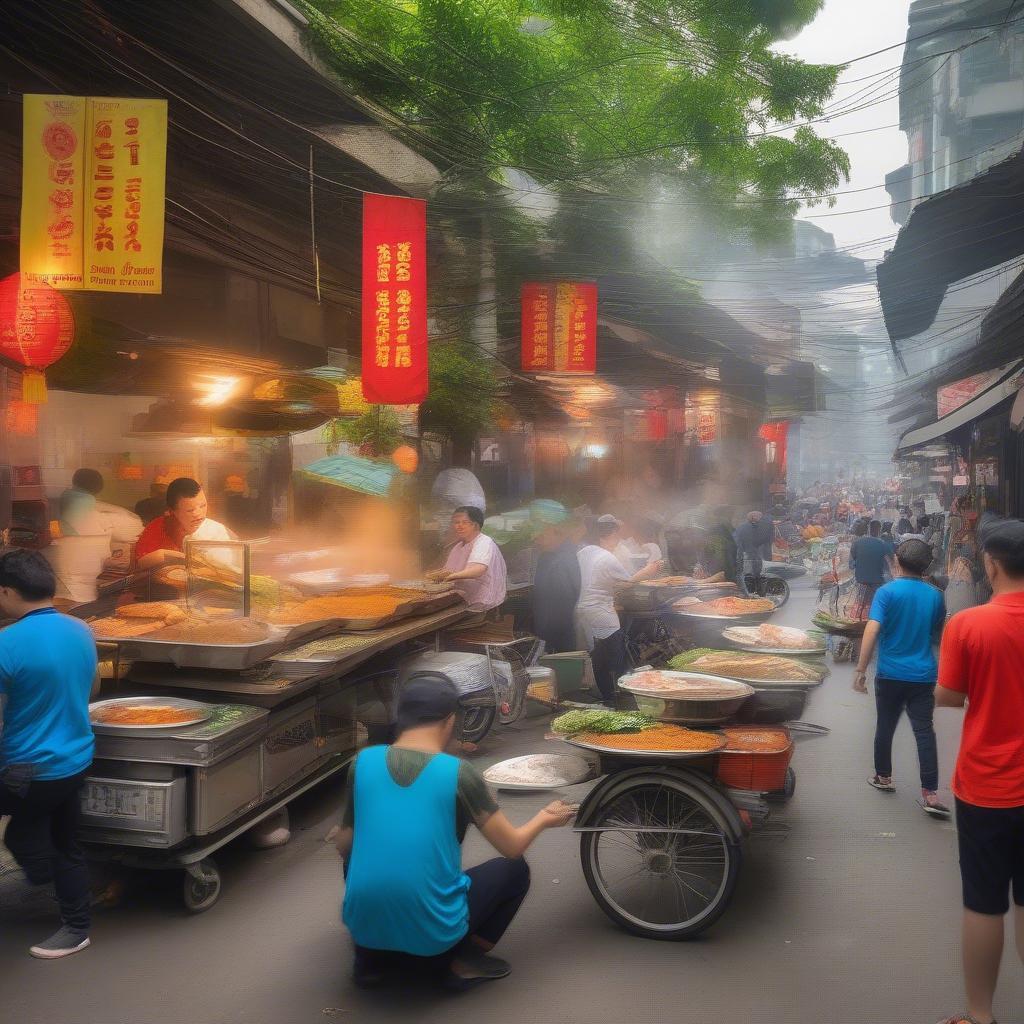
Hanoi street food vendors preparing delicious dishes
Exploring the Cultural Significance of Street Food
Street food is deeply ingrained in Vietnamese culture. It’s not just about sustenance; it’s about community and connection. Street food stalls serve as social hubs where people gather to share meals, exchange stories, and connect with their neighbors. The vibrant atmosphere and the shared experience of enjoying delicious food together create a sense of belonging and camaraderie. Many street food vendors have been serving the same dishes for generations, preserving culinary traditions and creating a sense of continuity.
 Family enjoying street food in Vietnam
Guess Who Rules the Flavors: The Ingredients
Fresh, local ingredients are the heart and soul of Vietnamese street food. From fragrant herbs like mint, cilantro, and basil to vibrant vegetables like morning glory and bean sprouts, the emphasis is on quality and seasonality. The use of fresh ingredients not only enhances the flavor of the dishes but also reflects a deep respect for the land and its bounty. Seafood plays a prominent role in coastal regions, while inland areas feature a variety of meats and poultry.
Savoring the Experience: Tips for Enjoying Vietnamese Street Food
Venturing into the world of Vietnamese street food can be an exhilarating experience. To make the most of your culinary adventure, embrace the local customs and be open to trying new things. Don’t be afraid to ask questions, interact with the vendors, and immerse yourself in the vibrant atmosphere. Most importantly, savor every bite and appreciate the unique flavors and textures of each dish.
 Tourists enjoying Vietnamese street food
Conclusion
Guess who rules the streets? It’s the vibrant culture, the passionate cooks, and the unforgettable flavors of Vietnamese street food. From the bustling markets to the hidden alleyways, every corner offers a new culinary adventure waiting to be discovered. So, embrace the chaos, savor the aromas, and let your taste buds guide you on a journey through the heart and soul of Vietnam.
FAQ
-
What are some must-try Vietnamese street food dishes? Phở, bánh mì, bún chả, gỏi cuốn (fresh spring rolls), and bánh xèo (crispy crepe) are just a few of the many delicious options.
-
Where can I find the best street food in Vietnam? Hanoi, Ho Chi Minh City, Hoi An, and Hue are all renowned for their vibrant street food scenes.
-
Is Vietnamese street food safe to eat? Generally, yes. Choose stalls that are busy and look clean.
-
Are there vegetarian options available? Yes, many vegetarian and vegan options are available, often featuring tofu, mushrooms, and fresh vegetables.
-
How much does Vietnamese street food cost? Street food is incredibly affordable, with most dishes costing just a few dollars.
-
What is the best way to order street food in Vietnam? Pointing at what you want or using simple phrases like “một cái” (one) is often sufficient.
-
What are some tips for enjoying Vietnamese street food? Be adventurous, embrace the local customs, and don’t be afraid to ask questions.