
Nintendo, a name synonymous with video game innovation and childhood memories for millions worldwide, often sparks the question: Who Owns Nintendo? The answer, while seemingly straightforward, unfolds a fascinating story of evolution, adaptation, and enduring success in the ever-changing landscape of the gaming industry.
Table Content:
- Unraveling Nintendo’s Complex Ownership Structure
- The Master Trust Bank of Japan, Ltd.
- Japan Trustee Services Bank, Ltd. (Trust Account)
- Nintendo Co., Ltd. (Treasury Stock)
- Foreign Ownership
- The History of Nintendo’s Ownership: From Playing Cards to Pixels
- The Yamauchi Dynasty
- The Transition to Public Ownership
- The Impact of Ownership on Nintendo’s Future
- Innovation and Creativity
- Global Expansion and Market Reach
- Conclusion
- FAQ
Nintendo is a publicly traded company, meaning its ownership is distributed among shareholders. Understanding who holds the largest stakes in this iconic company reveals insights into its direction and future. While no single entity holds absolute controlling power, several key players contribute significantly to Nintendo’s ownership structure.
Unraveling Nintendo’s Complex Ownership Structure
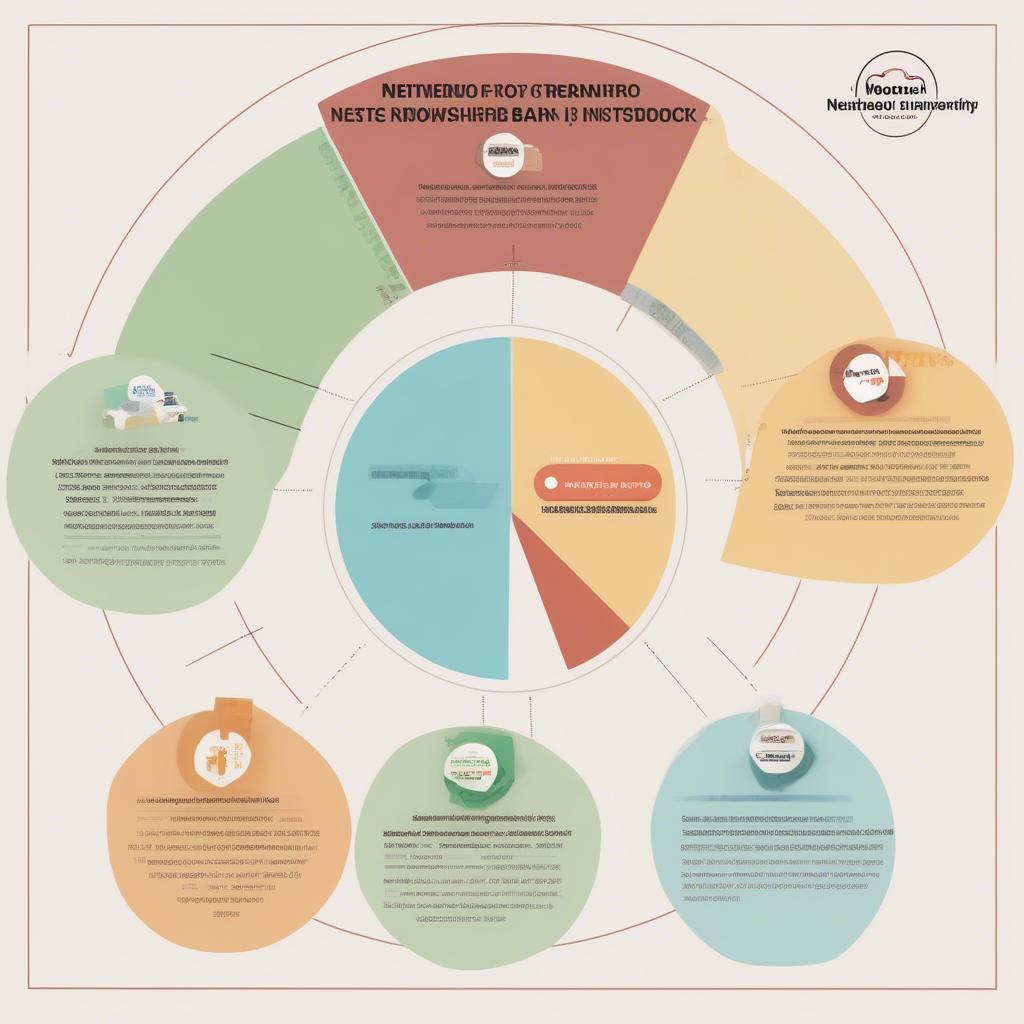
The landscape of Nintendo’s ownership is a complex tapestry woven with institutional investors, individual shareholders, and the company itself. Let’s delve into the major stakeholders who contribute to this intricate web.
The Master Trust Bank of Japan, Ltd.
The Master Trust Bank of Japan holds a substantial stake in Nintendo, representing a significant portion of the company’s overall ownership. This institutional investor plays a key role in influencing Nintendo’s strategic decisions and long-term vision.
Japan Trustee Services Bank, Ltd. (Trust Account)
Another prominent player in Nintendo’s ownership structure is Japan Trustee Services Bank, managing a significant trust account dedicated to Nintendo shares. This further diversifies the ownership and adds another layer to the company’s intricate financial ecosystem.
Nintendo Co., Ltd. (Treasury Stock)
Interestingly, Nintendo itself retains a portion of its own shares, known as treasury stock. This practice allows the company to maintain a degree of control over its own destiny and potentially influence market dynamics.
Foreign Ownership
While a significant portion of Nintendo’s ownership resides within Japan, foreign investors also hold a considerable stake. This global presence reflects Nintendo’s worldwide reach and the appeal of its products across diverse cultures.
Nintendo Ownership Structure Chart
The History of Nintendo’s Ownership: From Playing Cards to Pixels
Nintendo’s journey to becoming a gaming behemoth began humbly in 1889 as a playing card company. Tracing its ownership through the decades reveals a story of resilience, innovation, and shrewd business acumen. From family-owned origins to its current public status, Nintendo’s ownership has mirrored its evolution.
The Yamauchi Dynasty
For over a century, the Yamauchi family held the reins of Nintendo, guiding it through its formative years and into the burgeoning video game market. Their influence shaped the company’s early trajectory and laid the foundation for its future triumphs.
The Transition to Public Ownership
As Nintendo’s reach expanded globally, the company transitioned to public ownership, allowing for greater investment and broader market participation. This strategic move fueled its growth and solidified its position as a major player in the entertainment industry.
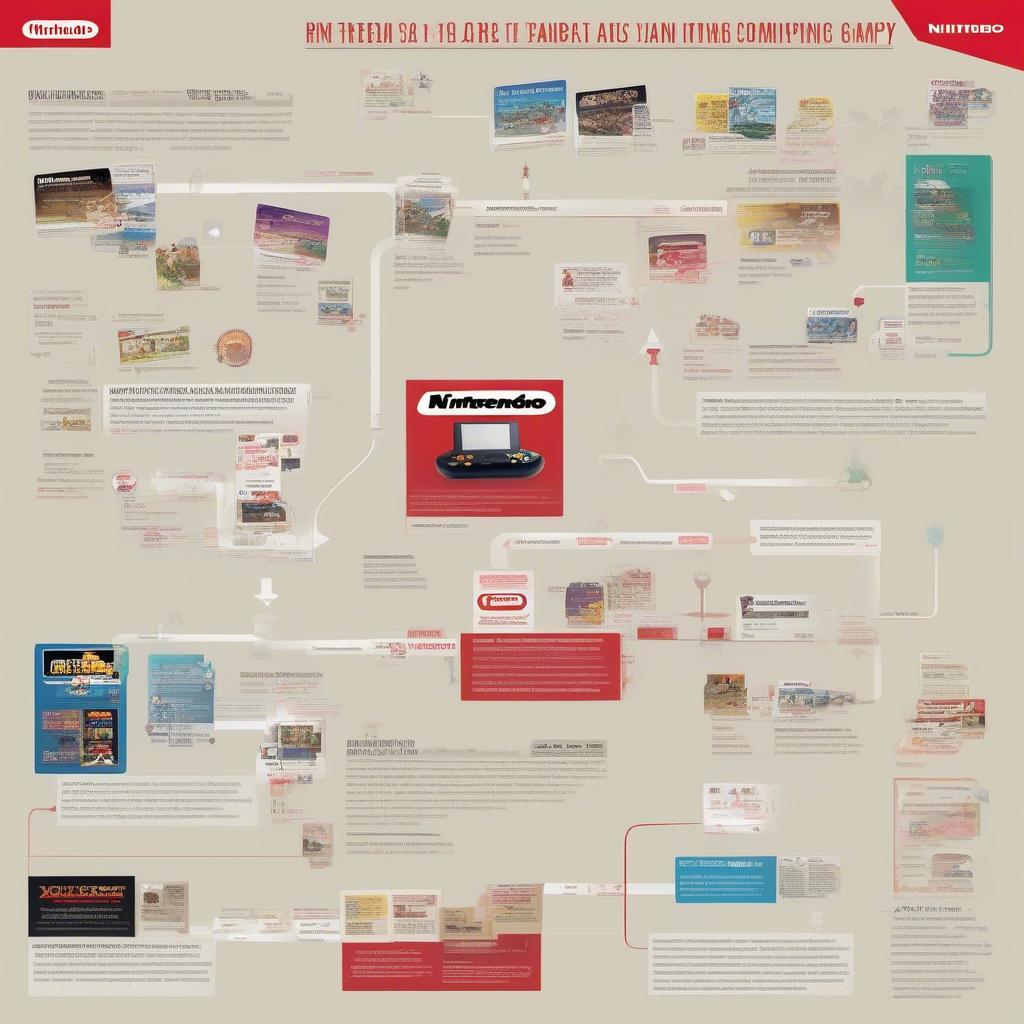 Nintendo Historical Timeline
The Impact of Ownership on Nintendo’s Future
Understanding who owns Nintendo provides valuable insight into the company’s potential direction and future endeavors. The diversified ownership structure fosters a balance of perspectives and influences, contributing to its long-term stability and adaptability.
Innovation and Creativity
Nintendo’s ownership structure encourages a focus on innovation and creativity, key drivers of its continued success. By balancing the interests of various stakeholders, the company remains agile and responsive to market trends.
Global Expansion and Market Reach
The presence of foreign investors among Nintendo’s ownership signifies its global reach and influence. This international perspective informs the company’s strategies for expansion and market penetration in diverse cultural landscapes.
“Nintendo’s ownership structure reflects its commitment to long-term growth and stability,” says Dr. Hiroshi Sato, a leading expert in Japanese business economics. “By balancing the interests of various stakeholders, the company fosters a culture of innovation and adaptability.”
Conclusion
So, who owns Nintendo? The answer isn’t a single individual or entity, but a dynamic mix of stakeholders, each contributing to the company’s unique identity and enduring success. From its humble beginnings as a playing card manufacturer to its current status as a global gaming icon, Nintendo’s ownership story is one of constant evolution and adaptation, mirroring the company’s unwavering commitment to innovation and creativity. This diversified ownership structure positions Nintendo for continued growth and resilience in the ever-evolving world of interactive entertainment.
FAQ
- Can I buy shares of Nintendo? Yes, Nintendo is a publicly traded company, and you can purchase shares through various brokerage platforms.
- Does the Yamauchi family still have any involvement with Nintendo? While no longer holding direct control, the Yamauchi family’s legacy remains an integral part of Nintendo’s history.
- What is the role of institutional investors in Nintendo’s ownership? Institutional investors, like The Master Trust Bank of Japan, hold significant stakes and play a role in shaping the company’s long-term strategies.
- How does Nintendo’s ownership structure impact its decision-making? The diversified ownership promotes a balanced approach to decision-making, incorporating the perspectives of various stakeholders.
- What is treasury stock, and why does Nintendo hold it? Treasury stock refers to shares repurchased by the company. Nintendo holds treasury stock to potentially influence market dynamics and maintain a degree of control.
- How does foreign ownership contribute to Nintendo’s success? Foreign investors bring a global perspective to Nintendo’s operations, supporting its international expansion and market penetration.
- What is the significance of understanding Nintendo’s ownership structure? Understanding who owns Nintendo provides valuable insights into the company’s potential direction, future endeavors, and long-term stability.