
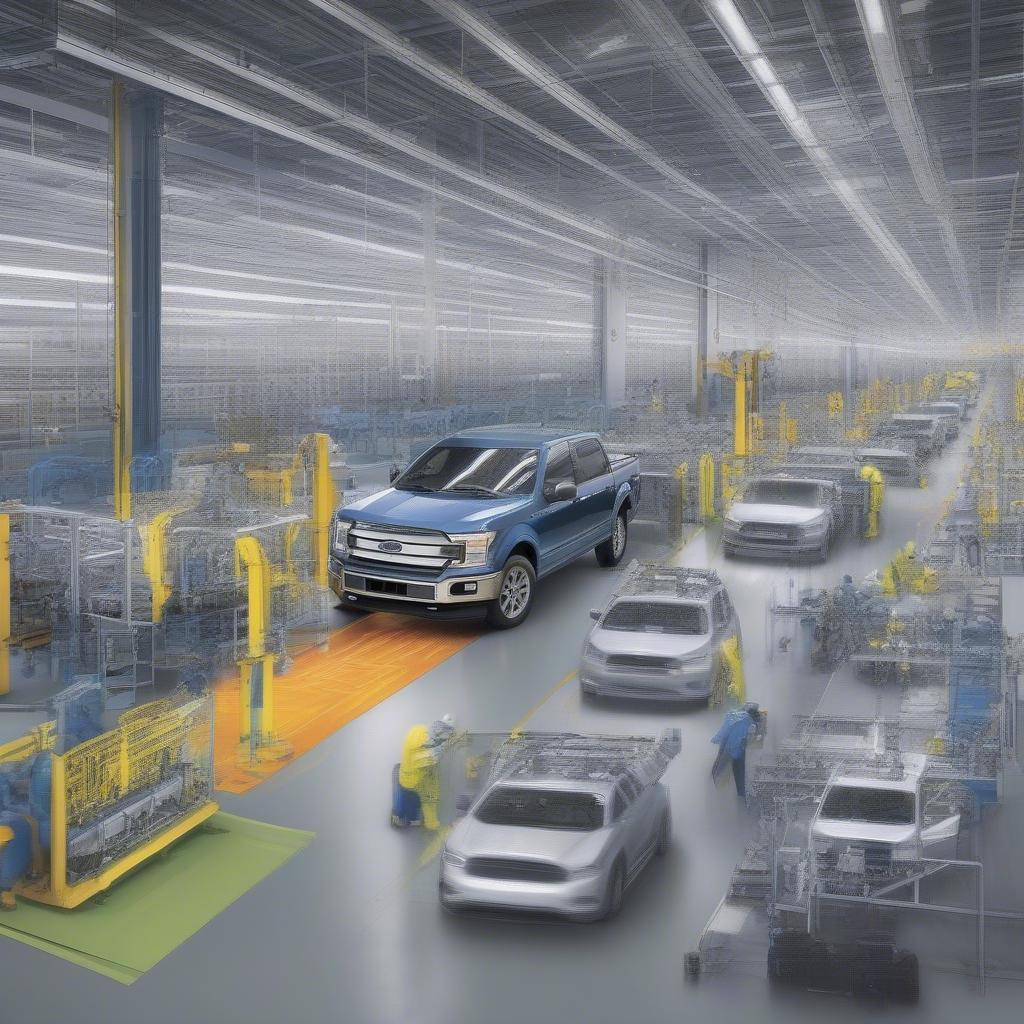
Ford Motor Company, a titan in the automotive industry, faces a rapidly changing landscape. Understanding these shifts is critical for Ford’s continued success, and a PESTEL analysis provides a comprehensive framework for dissecting the external factors influencing its strategic direction. Analyzing Ford’s strategy through a PESTEL lens offers valuable insights into the challenges and opportunities ahead, enabling more informed predictions about its future trajectory. From the rise of electric vehicles to evolving consumer preferences and tightening emissions regulations, navigating this complex terrain demands a clear understanding of the macro-environment. Let’s dive into how political, economic, social, technological, environmental, and legal factors are shaping Ford’s strategic choices.
Table Content:
- Political Factors Influencing Ford’s Strategy
- Economic Factors Impacting Ford’s Bottom Line
- Social Trends Shaping Ford’s Vehicle Design
- Technological Advancements Driving Ford’s Innovation
- Environmental Concerns and Ford’s Sustainability Efforts
- Legal Landscape Navigating Ford’s Operations
- Frequently Asked Questions
- Conclusion
Political Factors Influencing Ford’s Strategy
How do government policies and international relations affect Ford’s operations? Government regulations, trade agreements, and political stability play a significant role. For example, fuel efficiency standards and emissions regulations directly impact vehicle design and production. International trade agreements can influence manufacturing locations and supply chains, while political instability in certain regions can disrupt operations. Ford must constantly adapt to the evolving political landscape to maintain its competitive edge.
Ford navigating government regulations
Economic Factors Impacting Ford’s Bottom Line
How does the economic climate affect Ford’s profitability? Economic growth, inflation, interest rates, and exchange rates all have a direct impact on consumer spending and Ford’s financial performance. A strong economy typically translates to higher car sales, while economic downturns can significantly reduce demand. Fluctuations in currency exchange rates affect the price of imported parts and the competitiveness of Ford’s vehicles in global markets. Ford needs to carefully monitor economic indicators to adjust its pricing strategies and production plans accordingly.
 Ford monitoring key economic indicators
Social Trends Shaping Ford’s Vehicle Design
How are changing consumer preferences impacting Ford’s product development? Shifting demographics, lifestyle trends, and consumer attitudes significantly influence vehicle design and marketing. The growing demand for SUVs, the increasing popularity of ride-sharing services, and the rising awareness of environmental issues are all shaping Ford’s product portfolio. Understanding these social trends is crucial for Ford to anticipate consumer needs and develop vehicles that resonate with the market.
Technological Advancements Driving Ford’s Innovation
How is technology transforming the automotive industry and Ford’s approach? The rapid pace of technological advancements is revolutionizing the automotive industry. Electric vehicles, autonomous driving technology, and connected car features are just a few examples of how technology is reshaping the landscape. Ford is investing heavily in research and development to stay at the forefront of these innovations. From developing cutting-edge electric vehicle platforms to exploring self-driving capabilities, Ford is embracing technology to enhance its product offerings and meet evolving consumer expectations.
 Ford embracing technological innovation
Environmental Concerns and Ford’s Sustainability Efforts
How are environmental regulations and sustainability concerns shaping Ford’s operations? Growing environmental awareness and stricter emissions regulations are pushing the automotive industry towards more sustainable practices. Ford is actively working to reduce its environmental footprint by investing in fuel-efficient technologies, developing electric vehicles, and exploring alternative fuels. From reducing emissions from its manufacturing plants to designing more eco-friendly vehicles, Ford recognizes the importance of sustainability for its long-term success.
 Ford's commitment to environmental sustainability
Legal Landscape Navigating Ford’s Operations
How are legal frameworks impacting Ford’s business practices? Labor laws, safety regulations, and intellectual property rights all have a significant impact on Ford’s operations. Compliance with these legal requirements is essential for maintaining a positive brand image and avoiding legal challenges. Ford must navigate a complex legal landscape to ensure its operations are ethical and sustainable.
 Ford navigating the legal landscape
Frequently Asked Questions
Q: How is Ford adapting to the rise of electric vehicles?
A: Ford is investing heavily in electric vehicle technology, developing new EV platforms, and expanding its charging infrastructure.
Q: What is Ford doing to address environmental concerns?
A: Ford is committed to reducing its environmental impact through fuel-efficient technologies, electric vehicles, and sustainable manufacturing practices.
Q: How is technology changing Ford’s product offerings?
A: Ford is integrating advanced technologies like autonomous driving features, connected car systems, and electric powertrains into its vehicles.
Q: What are the key political factors affecting Ford?
A: Government regulations, trade agreements, and political stability in key markets influence Ford’s operations and strategic decisions.
Q: How does the economic climate impact Ford’s performance?
A: Economic growth, inflation, interest rates, and exchange rates affect consumer spending and Ford’s profitability.
Q: What social trends are shaping Ford’s vehicle designs?
A: Changing demographics, lifestyle preferences, and consumer attitudes influence Ford’s product development and marketing strategies.
Q: What are the major legal challenges facing Ford?
A: Ford must navigate complex regulations related to labor laws, safety standards, and intellectual property rights.
Conclusion
Analyzing Ford’s strategy through a PESTEL lens provides a comprehensive understanding of the external forces shaping its trajectory. By carefully considering the political, economic, social, technological, environmental, and legal landscape, Ford can make informed decisions, adapt to change, and position itself for continued success in the ever-evolving automotive industry. Analyzing Ford’s strategy through a PESTEL lens is crucial for understanding its present and predicting its future.