
Sephora, the globally recognized beauty haven, evokes images of vibrant displays, a kaleidoscope of makeup palettes, and the intoxicating aroma of perfumes. But behind the glamorous facade lies a fascinating history of ownership and innovation. So, Who Owns Sephora? The answer is LVMH Moët Hennessy Louis Vuitton, the world’s leading luxury goods group. This article delves into the story of Sephora’s ownership, tracing its journey from a small Parisian perfumery to the beauty behemoth it is today.
Table Content:
Sephora’s story began in 1969 in Limoges, France, as a single perfume shop. Dominique Mandonnaud, the visionary behind Sephora, revolutionized the beauty retail landscape by allowing customers to freely test products before purchasing. This innovative approach, a stark contrast to the traditional, counter-service model of the time, quickly gained traction. Mandonnaud continued to acquire several perfume chains throughout the 1970s, consolidating them under the Sephora brand in 1993. The name “Sephora” is a clever combination of “Zipporah,” the exceptionally beautiful wife of Moses in the Book of Exodus, and the Greek word “sephos,” meaning beauty.
In 1997, LVMH, recognizing Sephora’s potential, acquired the company. This acquisition proved to be a game-changer, catapulting Sephora onto the international stage. LVMH’s resources and global reach enabled Sephora to expand rapidly, opening stores across Europe, Asia, and the Americas. Today, Sephora boasts over 2,700 stores in 35 countries, solidifying its position as a global beauty authority.
LVMH and the Sephora Empire: A Synergistic Relationship
LVMH’s ownership has been instrumental in Sephora’s success. The luxury conglomerate’s vast network, marketing prowess, and financial backing have provided Sephora with unparalleled advantages. LVMH’s portfolio of prestigious beauty brands, including Dior, Givenchy, and Fenty Beauty, has further strengthened Sephora’s offerings, attracting a diverse clientele.
Sephora’s innovative approach to retail, coupled with LVMH’s strategic guidance, has created a synergistic relationship. Sephora’s online platform, a key driver of its growth, offers a seamless shopping experience, personalized recommendations, and exclusive content. This digital focus has allowed Sephora to connect with a younger demographic and maintain its relevance in the evolving retail landscape.
Sephora and LVMH Partnership
Sephora’s Impact on the Beauty Industry: A Revolution in Retail
Sephora’s influence on the beauty industry is undeniable. The brand has championed inclusivity and diversity, offering a wide range of products for all skin tones and types. Sephora has also been a launchpad for numerous independent and emerging beauty brands, providing them with a global platform to showcase their products.
Sephora’s commitment to innovation extends beyond product offerings. The brand has embraced technology, incorporating augmented reality and artificial intelligence into its online and in-store experiences. These advancements allow customers to virtually try on makeup, receive personalized skincare recommendations, and engage with the brand in new and exciting ways.
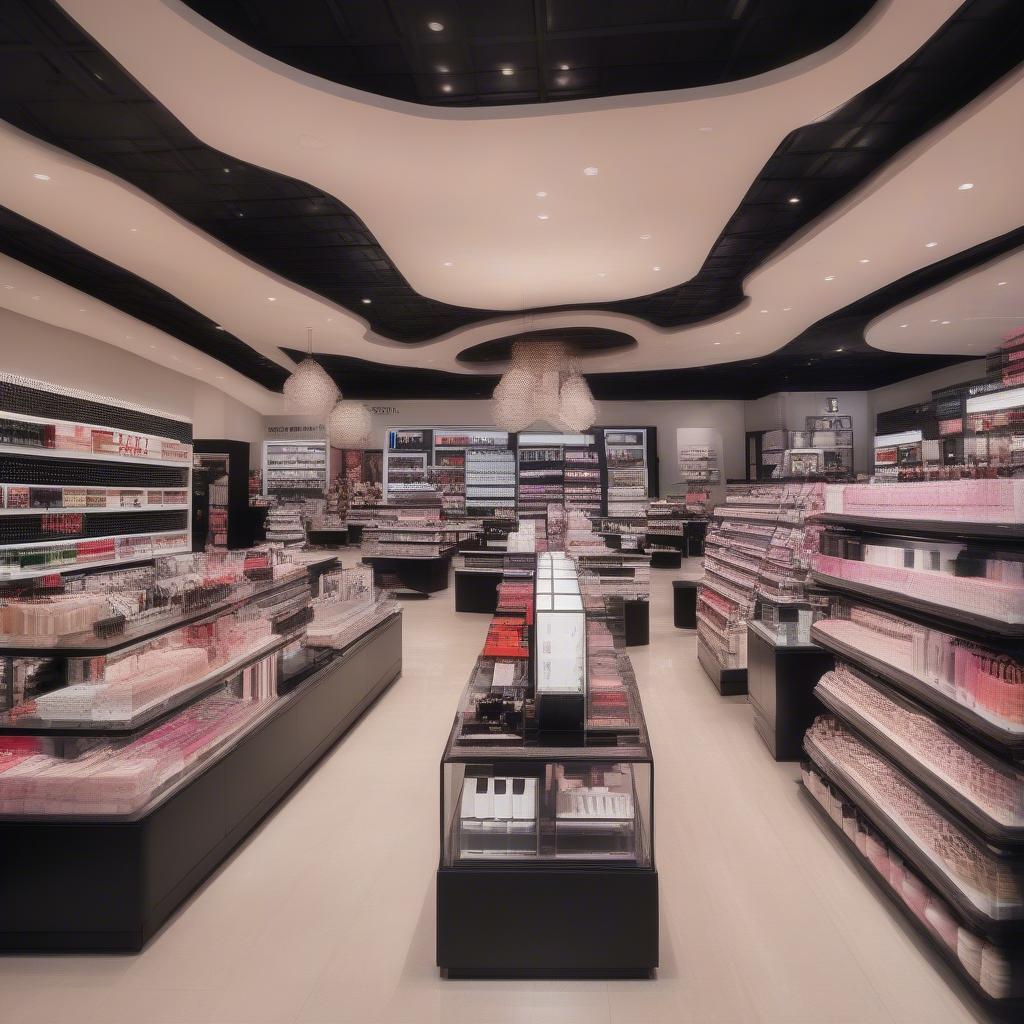 Inside a Sephora Store
The Future of Sephora: Continued Growth and Innovation
Under LVMH’s ownership, Sephora’s future appears bright. The brand is poised for continued growth, expanding its global footprint and further enhancing its digital capabilities. Sephora’s focus on sustainability and ethical sourcing is also gaining momentum, resonating with environmentally conscious consumers.
Sephora’s ability to adapt to changing consumer preferences and embrace new technologies will be crucial for its ongoing success. As the beauty industry continues to evolve, Sephora’s commitment to innovation and inclusivity will undoubtedly solidify its position as a leading force in the global beauty market.
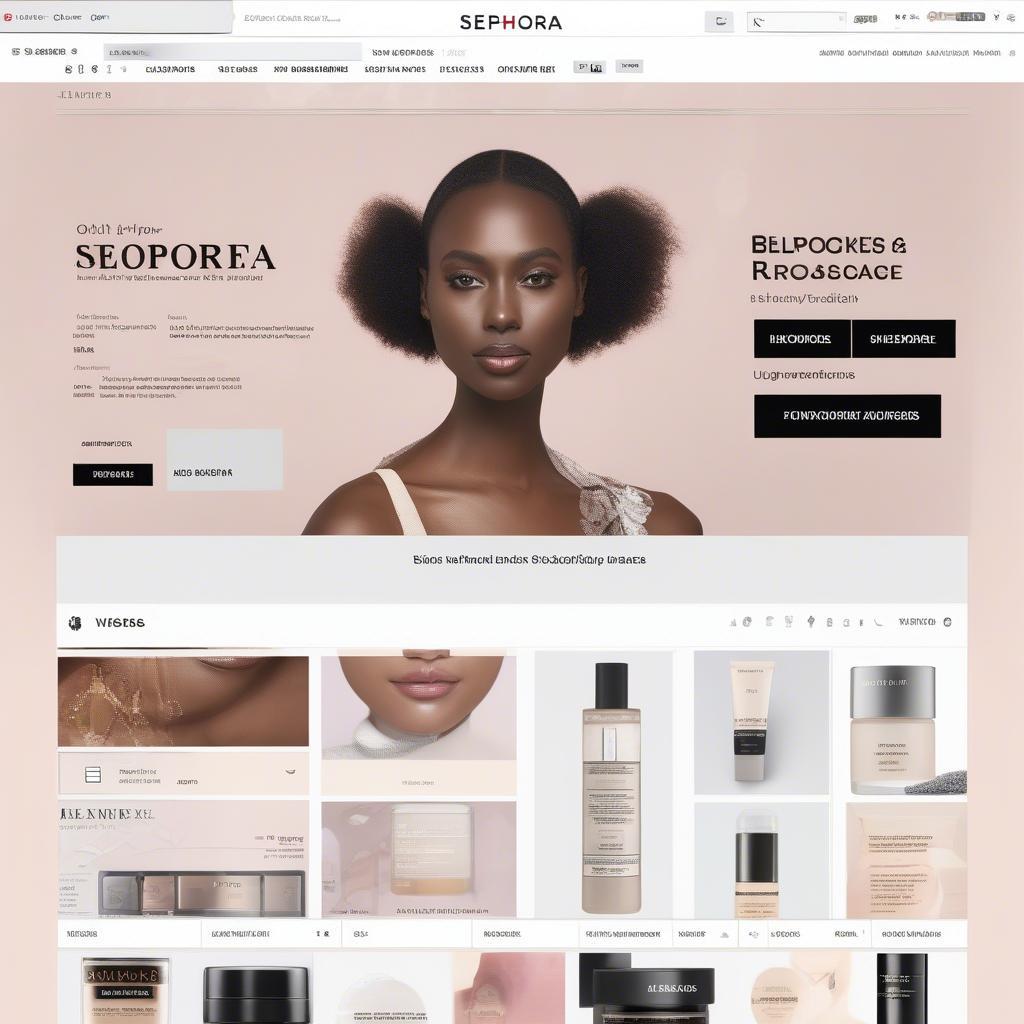 Sephora Online Shopping Experience
Conclusion
So, who owns Sephora? LVMH, the luxury powerhouse, holds the reins of this beauty empire. From its humble beginnings as a single perfumery to its current global dominance, Sephora’s journey is a testament to the power of innovation, strategic partnerships, and a customer-centric approach. As Sephora continues to evolve, it will undoubtedly shape the future of the beauty industry, empowering individuals to express their unique beauty and embrace self-expression.
FAQ
-
When was Sephora founded? Sephora was founded in 1969 in Limoges, France.
-
In what year did LVMH acquire Sephora? LVMH acquired Sephora in 1997.
-
How many Sephora stores are there worldwide? There are over 2,700 Sephora stores in 35 countries.
-
What is Sephora’s approach to retail? Sephora’s approach is characterized by open-shelf displays and a focus on customer experience, allowing customers to test products before purchasing.
-
What is LVMH’s role in Sephora’s success? LVMH’s resources, global reach, and portfolio of luxury brands have significantly contributed to Sephora’s growth and expansion.
-
What is Sephora’s online platform like? Sephora’s online platform offers a seamless shopping experience with personalized recommendations and exclusive content.
-
What is the future outlook for Sephora? Sephora is expected to continue its growth trajectory, focusing on global expansion, digital innovation, and sustainability.