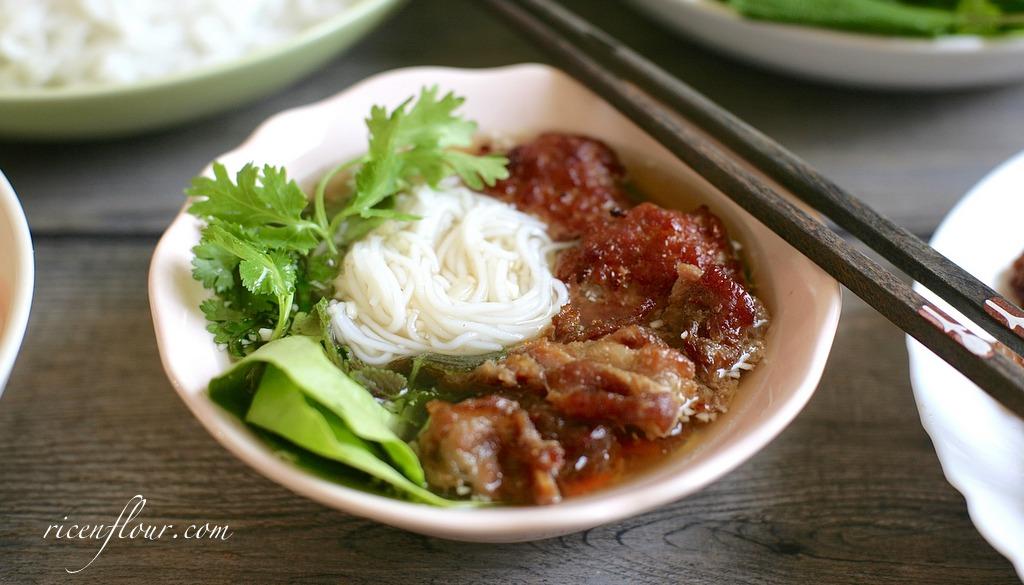

Vietnam’s street food scene is a captivating whirlwind of flavors, aromas, and cultural experiences. From bustling city sidewalks to quaint rural villages, the country offers a diverse range of culinary delights that tantalize the taste buds and leave a lasting impression. For those seeking an authentic taste of Vietnam, exploring its street food is a must. This He Who Fights Review delves into the vibrant world of Vietnamese street food, exploring its history, regional variations, and the must-try dishes that define this culinary landscape.
Table Content:
- A Culinary Tapestry: Exploring the History of Vietnamese Street Food
- From North to South: Regional Variations in Vietnamese Street Food
- The Must-Try Dishes: A He Who Fights Review of Vietnamese Street Food Classics
- Experiencing Vietnamese Street Food: Tips and Considerations
- Conclusion: A Culinary Journey Through Vietnam’s Streets
- FAQ
A Culinary Tapestry: Exploring the History of Vietnamese Street Food
Vietnamese street food is deeply intertwined with the country’s rich history and cultural heritage. Influenced by Chinese, French, and Southeast Asian cuisines, it has evolved over centuries, resulting in a unique blend of flavors and techniques. From the humble beginnings of street vendors selling simple snacks to the sophisticated and diverse offerings we see today, Vietnamese street food reflects the resilience and creativity of its people. This he who fights review highlights the historical evolution of these culinary traditions.
The French colonial era brought baguettes and pâté, which were ingeniously incorporated into Vietnamese cuisine, creating the beloved banh mi. Similarly, Chinese influences can be seen in dishes like pho, which draws inspiration from Chinese noodle soups. Over time, these influences have been adapted and transformed, giving rise to distinctly Vietnamese flavors and culinary creations.
From North to South: Regional Variations in Vietnamese Street Food
Vietnam’s diverse geography and regional cultures have given rise to a fascinating array of street food specialties. Each region boasts its own unique dishes and flavors, reflecting the local ingredients and culinary traditions. This he who fights review examines these regional variations, providing a glimpse into the diverse culinary landscape of Vietnam.
In the north, Hanoi is renowned for its pho, a flavorful broth teeming with rice noodles, herbs, and tender slices of beef or chicken. Moving south, Hue’s imperial cuisine features delicate flavors and intricate presentations, with dishes like banh beo (steamed rice cakes) and bun bo Hue (spicy beef noodle soup). Further south, in Ho Chi Minh City, the street food scene explodes with a fusion of flavors, from the iconic banh mi to the savory com tam (broken rice).
The Must-Try Dishes: A He Who Fights Review of Vietnamese Street Food Classics
Navigating the vast world of Vietnamese street food can be overwhelming, but certain dishes stand out as must-try experiences. This he who fights review presents a curated selection of iconic dishes that capture the essence of Vietnamese street food.
-
Pho: This aromatic noodle soup is a quintessential Vietnamese dish, featuring a rich broth, rice noodles, herbs, and thinly sliced meat.
-
Banh Mi: A fusion of French and Vietnamese culinary traditions, banh mi is a crusty baguette filled with savory ingredients like pickled carrots, daikon radish, cilantro, and various meats or tofu.
-
Goi Cuon: These fresh spring rolls are packed with vermicelli noodles, herbs, shrimp, and pork, and are served with a flavorful dipping sauce.
-
Banh Xeo: A crispy crepe made with rice flour and turmeric, banh xeo is filled with shrimp, pork, and bean sprouts, and is served with fresh herbs and dipping sauce.
Banh Mi Sandwich Vietnamese Street Food
Experiencing Vietnamese Street Food: Tips and Considerations
Embarking on a street food adventure in Vietnam requires a sense of adventure and an open mind. This he who fights review provides some practical tips for navigating the vibrant street food scene.
-
Embrace the chaos: Vietnamese street food stalls are often bustling and crowded, so be prepared for a lively and immersive experience.
-
Be adventurous: Don’t be afraid to try new and unfamiliar dishes. Often, the most unexpected flavors are the most rewarding.
-
Bargaining is common: While prices are generally low, it’s customary to negotiate, especially at tourist hotspots.
-
Food safety: Choose stalls that appear clean and hygienic, and opt for cooked dishes over raw ones.
 Goi Cuon Fresh Spring Rolls Vietnamese Cuisine
Conclusion: A Culinary Journey Through Vietnam’s Streets
Vietnamese street food is more than just a meal; it’s a cultural experience. This he who fights review has explored the rich history, regional variations, and must-try dishes that define this culinary landscape. From the bustling streets of Hanoi to the vibrant markets of Ho Chi Minh City, Vietnamese street food offers a sensory feast that will captivate your taste buds and leave you with a deeper appreciation for Vietnamese culture.
FAQ
-
What is the most popular Vietnamese street food dish? Pho is often considered the most popular and iconic Vietnamese street food dish.
-
Is Vietnamese street food expensive? No, Vietnamese street food is generally very affordable.
-
Is it safe to eat street food in Vietnam? While food safety standards can vary, choosing clean and busy stalls can minimize risks.
-
What are some vegetarian options for Vietnamese street food? Many stalls offer vegetarian versions of popular dishes, using tofu or mushrooms as substitutes for meat.
-
What is the best time to try street food in Vietnam? Street food is available throughout the day, but evenings are often the most lively.
-
How can I find the best street food stalls in Vietnam? Ask locals for recommendations or explore bustling markets and street corners.
-
What are some common condiments served with Vietnamese street food? Fish sauce, chili sauce, and lime wedges are common condiments.