
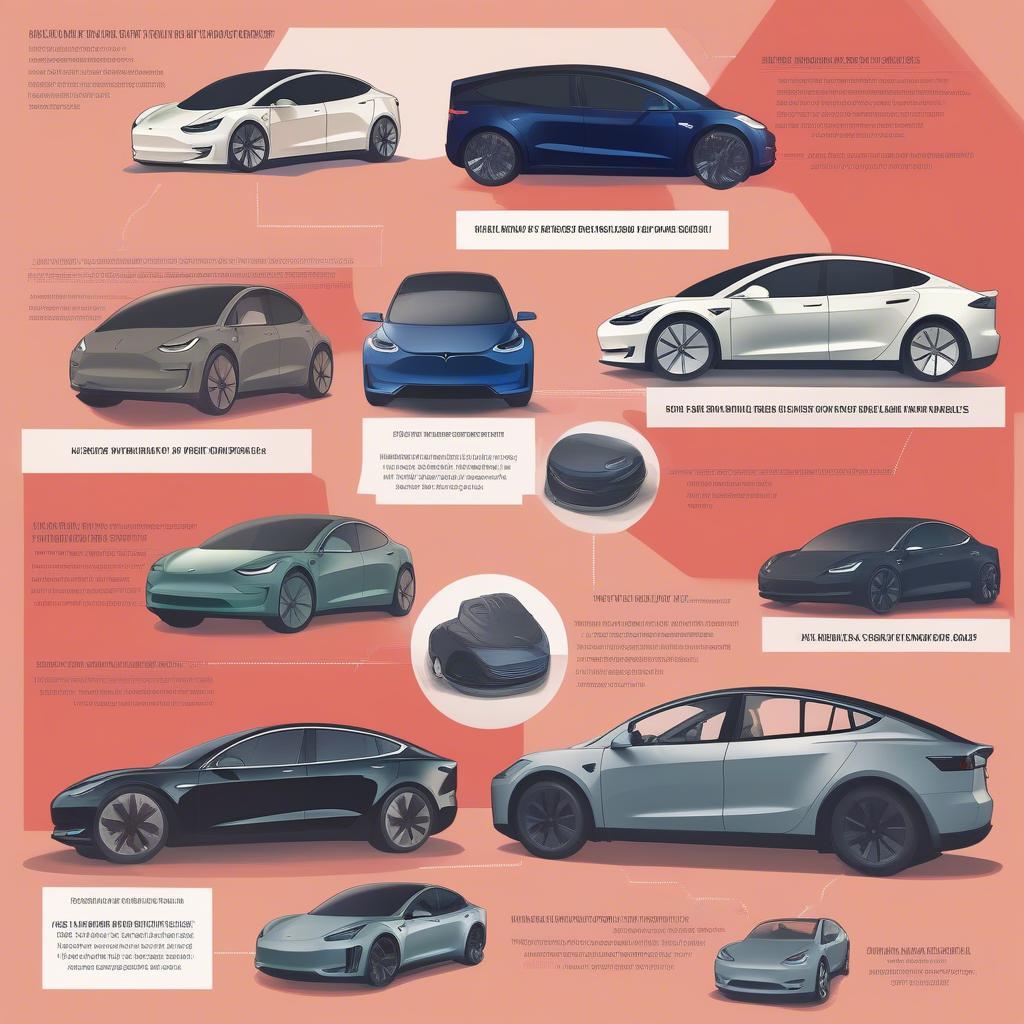
Tesla, a pioneer in the electric vehicle (EV) industry, faces a dynamic and complex global landscape. Understanding the external factors influencing its operations is crucial for its continued success. This PESTEL analysis of Tesla examines the political, economic, social, technological, environmental, and legal forces shaping its trajectory, highlighting both challenges and opportunities.
Table Content:
- Political Factors Influencing Tesla’s Growth
- Economic Factors Impacting Tesla’s Performance
- Social Trends Shaping Tesla’s Brand Image
- Technological Advancements Driving Tesla’s Innovation
- Environmental Considerations for Tesla’s Sustainability
- Legal Landscape Navigated by Tesla
- Frequently Asked Questions About Tesla’s PESTEL Analysis
- Conclusion
Political Factors Influencing Tesla’s Growth
Government policies play a significant role in Tesla’s operations. Subsidies for EV purchases, tax incentives, and emission regulations can drive demand and influence market dynamics. Conversely, trade policies and political instability in certain regions can pose challenges. For example, tariffs and trade wars can impact Tesla’s supply chain and pricing strategy.
Tesla benefits from government subsidies
Economic Factors Impacting Tesla’s Performance
The global economic climate directly affects Tesla’s sales and profitability. Economic downturns can reduce consumer spending on luxury goods like EVs. Fluctuations in currency exchange rates, raw material prices, and interest rates also impact Tesla’s financial performance. However, the growing global middle class and increasing disposable incomes present opportunities for expansion into new markets.
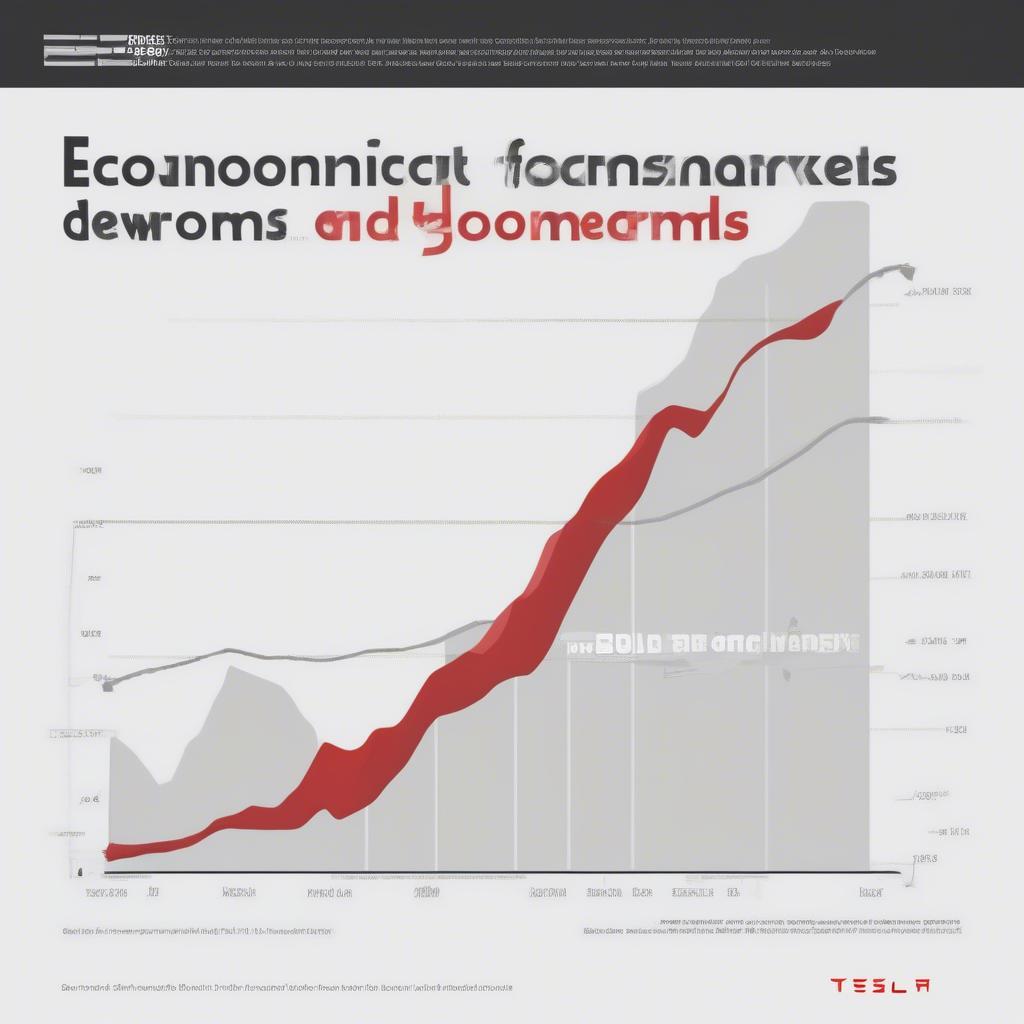 Economic factors influencing Tesla
Social Trends Shaping Tesla’s Brand Image
Societal values and consumer preferences significantly influence Tesla’s brand perception. Growing environmental awareness and concerns about climate change boost the demand for sustainable transportation solutions like EVs. Tesla’s association with innovation and technological advancement further enhances its brand appeal. However, negative publicity or changing consumer trends could impact its image.
 Social factors affecting Tesla
Technological Advancements Driving Tesla’s Innovation
Tesla thrives on technological innovation. Continuous advancements in battery technology, autonomous driving systems, and charging infrastructure are crucial for its competitive advantage. However, rapid technological change also means Tesla faces constant pressure to invest heavily in research and development to stay ahead of the curve. Emerging technologies could disrupt the automotive industry and pose a threat if Tesla fails to adapt.
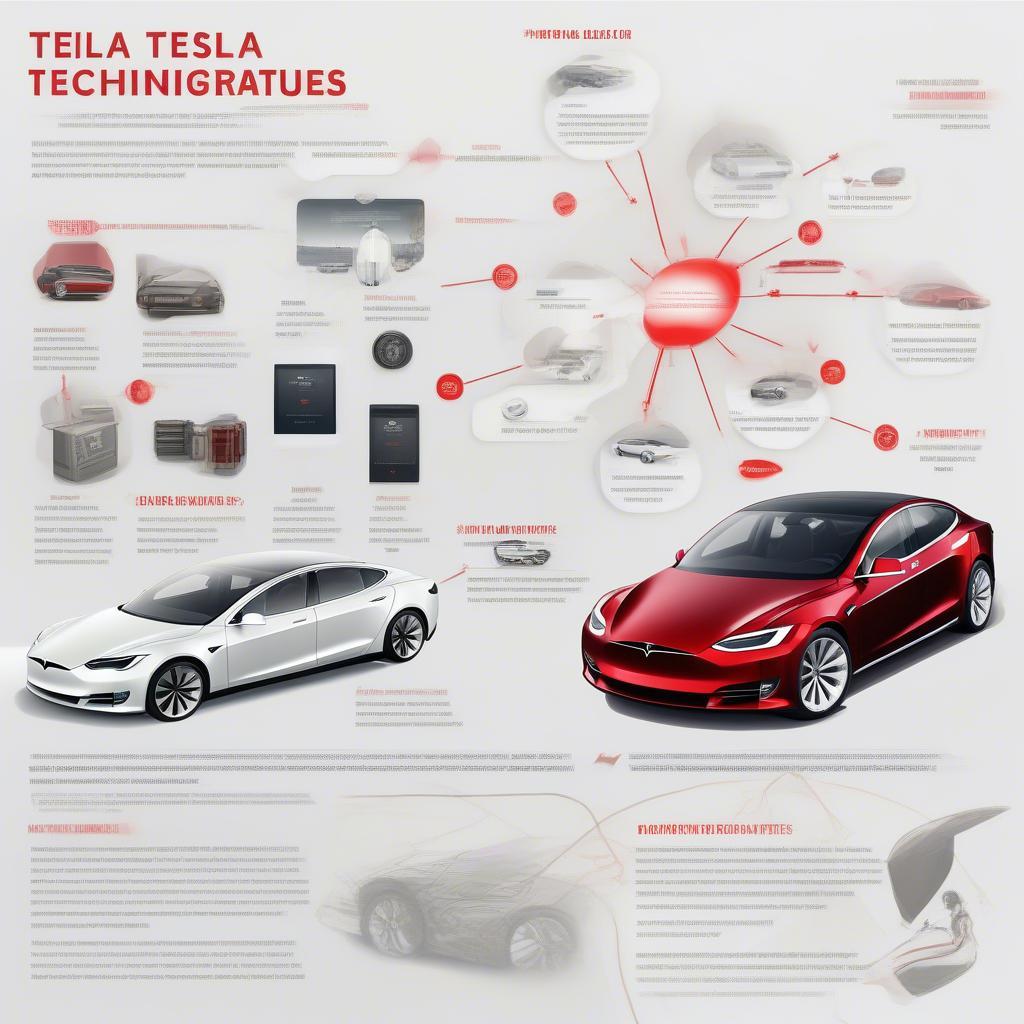 Tesla's technological prowess
Environmental Considerations for Tesla’s Sustainability
Environmental regulations and sustainability concerns are both a driver and a challenge for Tesla. Stringent emission standards and growing public awareness about the environmental impact of traditional vehicles create a favorable environment for EV adoption. However, Tesla faces scrutiny regarding the environmental impact of its battery production and disposal. Developing sustainable manufacturing processes and recycling solutions is critical for its long-term sustainability.
Legal Landscape Navigated by Tesla
The legal framework governing the automotive industry impacts Tesla’s operations. Safety regulations, product liability laws, and intellectual property protection are all crucial considerations. Additionally, laws related to autonomous driving and data privacy are evolving rapidly, requiring Tesla to adapt and comply with new regulations in different jurisdictions. Navigating this complex legal landscape is crucial for Tesla’s global expansion.
 Legal challenges faced by Tesla
Frequently Asked Questions About Tesla’s PESTEL Analysis
Q: How does political instability affect Tesla?
A: Political instability can disrupt supply chains, impact sales, and create uncertainty in the markets where Tesla operates.
Q: What are the key economic factors affecting Tesla?
A: Key economic factors include economic growth, inflation, interest rates, and fluctuations in currency exchange rates.
Q: How does Tesla leverage social trends?
A: Tesla leverages social trends by aligning its brand with sustainability, innovation, and technological advancement.
Q: What are the main technological challenges faced by Tesla?
A: The rapid pace of technological change requires continuous investment in R&D and adapting to emerging technologies.
Q: How does Tesla address environmental concerns?
A: Tesla addresses environmental concerns by developing sustainable manufacturing processes and seeking solutions for battery recycling.
Q: What legal challenges does Tesla face?
A: Tesla faces challenges related to safety regulations, product liability, intellectual property, autonomous driving laws, and data privacy.
Q: Why is PESTEL analysis important for Tesla?
A: PESTEL analysis helps Tesla understand the external factors shaping the industry, identify potential challenges and opportunities, and develop effective strategies for navigating the global market.
Conclusion
The PESTEL analysis of Tesla reveals a complex interplay of factors impacting its trajectory in the global market. While political and economic uncertainties pose challenges, social trends, technological advancements, and growing environmental awareness create significant opportunities. Successfully navigating the legal landscape and adapting to changing regulations will be critical for Tesla’s continued growth and dominance in the EV industry. Understanding these forces allows Tesla to make informed decisions, mitigate risks, and capitalize on opportunities to maintain its position as a leader in the electric vehicle revolution.