Kyle Rittenhouse became a nationally recognized figure in August 2020 after he fatally shot two men and wounded another during protests and riots in Kenosha, Wisconsin. The events surrounding the shootings, the subsequent trial, and the eventual verdict sparked intense debate and controversy across the United States, raising complex questions about self-defense, gun rights, and the role of armed civilians in public unrest. This article aims to explore who Kyle Rittenhouse is, examining the key events that led to his notoriety and the ongoing discussions surrounding his case.
Table Content:
At the time of the shootings, Rittenhouse, a 17-year-old resident of Antioch, Illinois, had traveled to Kenosha, armed with an AR-15 style rifle. He claimed he was there to protect businesses from looting and damage amidst the widespread unrest following the police shooting of Jacob Blake. The protests, initially sparked by Blake’s shooting, had escalated into nights of rioting, arson, and property destruction.
On the night of August 25, 2020, Rittenhouse became involved in several confrontations. He first shot and killed Joseph Rosenbaum, who was unarmed and reportedly chasing Rittenhouse. Shortly thereafter, while fleeing the scene, he was pursued by a group of individuals. He then tripped and fell, at which point he shot and killed Anthony Huber, who had struck him with a skateboard, and wounded Gaige Grosskreutz, who was armed with a handgun.
The events were captured on video and quickly spread across social media, fueling intense debate and polarizing public opinion. Supporters of Rittenhouse argued he acted in self-defense, while critics contended his actions were reckless and that his presence with a firearm only escalated the situation. The case became a flashpoint in broader national discussions about gun control, racial injustice, and the right to protest.
Following the shootings, Rittenhouse was arrested and charged with multiple counts, including first-degree intentional homicide, first-degree reckless homicide, and attempted first-degree intentional homicide. His trial, which began in November 2021, captivated the nation and further intensified the already heated debate surrounding the case.
The trial focused heavily on the issue of self-defense. The prosecution argued Rittenhouse provoked the confrontations and acted recklessly, while the defense maintained he feared for his life and acted to protect himself. The jury ultimately acquitted Rittenhouse on all charges, finding he had acted in self-defense.
“The Rittenhouse case highlighted the complexities and nuances of self-defense law,” says legal expert, Dr. Amelia Hernandez, Professor of Law at the University of California, Berkeley. “It underscored the challenges juries face in determining whether an individual’s use of force was justified under the circumstances.”
The verdict sparked widespread reactions, with supporters praising the jury’s decision and critics expressing outrage and disappointment. Protests and demonstrations erupted in several cities across the country, reflecting the deep divisions that the case had exposed.
The Rittenhouse case continues to be a subject of ongoing debate and analysis. It has raised fundamental questions about the right to bear arms, the limits of self-defense, and the role of civilians in maintaining order during public unrest. “The case has also become a symbol of the increasing polarization in American society,” observes Dr. David Chen, sociologist at Columbia University. “It’s a stark reminder of how deeply divided we are on issues of race, justice, and the role of law enforcement.”
The long-term impact of the Rittenhouse case remains to be seen. However, it is clear that the events of August 2020 and the subsequent trial have left an indelible mark on the American landscape, prompting critical conversations about gun control, self-defense, and the fragile state of American democracy.
“Rittenhouse’s acquittal, while legally sound, raises ethical questions about vigilantism and the potential for escalation when armed civilians insert themselves into volatile situations,” adds Dr. Hernandez.
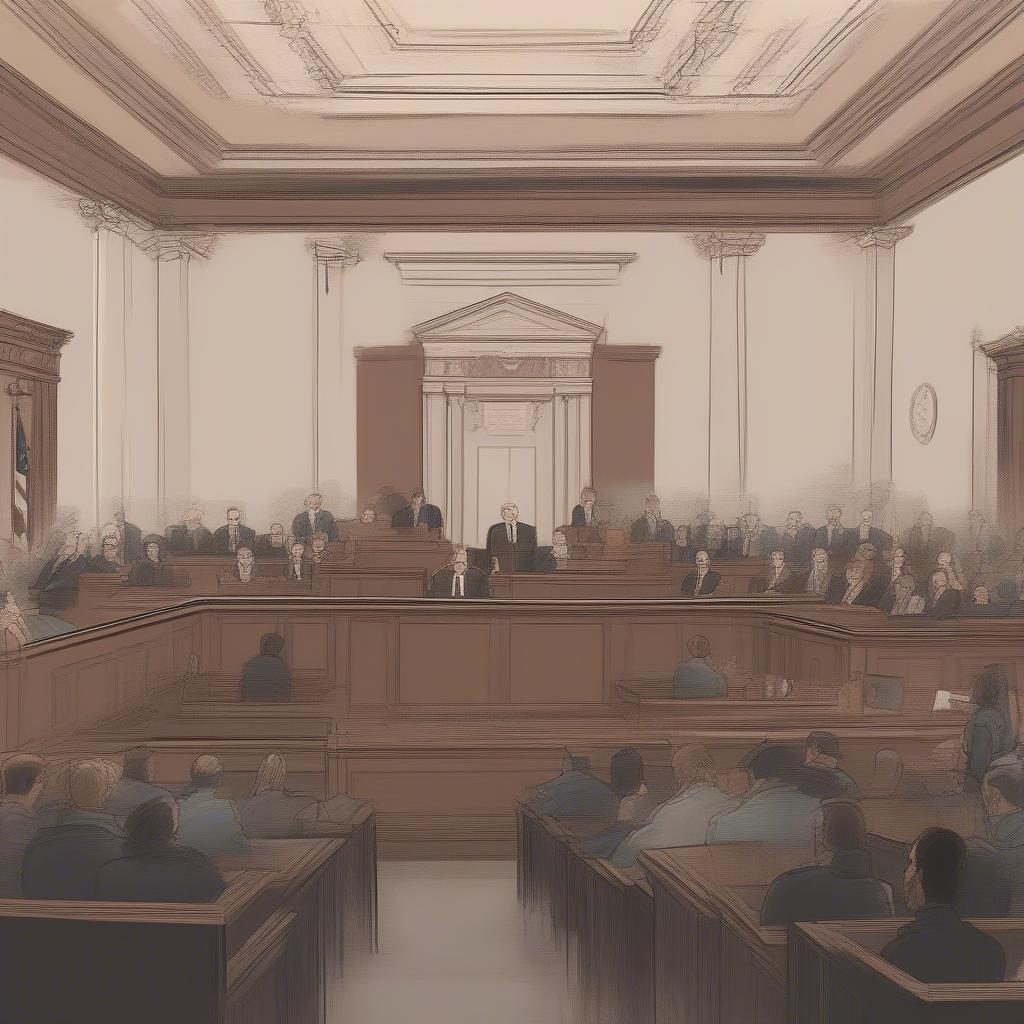
Rittenhouse Trial Courtroom Scene
Kyle Rittenhouse, now a public figure, continues to navigate the aftermath of the Kenosha shootings. The case serves as a powerful reminder of the complexities of the American legal system and the ongoing challenges in addressing issues of gun violence and social unrest.
“The Rittenhouse case is a tragic reminder of the consequences of unchecked anger and the dangers of a heavily armed society,” concludes Dr. Chen.
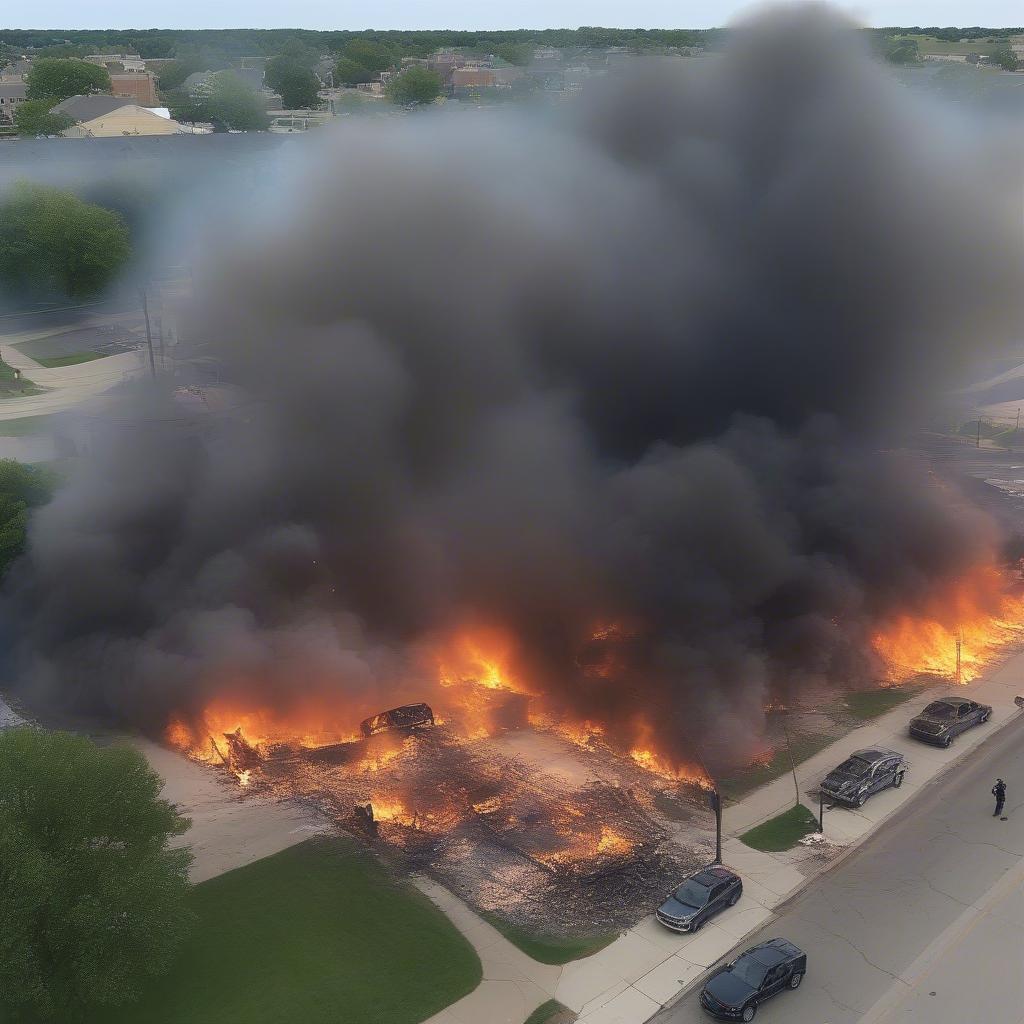 Kenosha Wisconsin Protests and Riots
Conclusion
Kyle Rittenhouse’s story is a complex and controversial one, deeply intertwined with issues of self-defense, gun rights, and social unrest. The events in Kenosha, Wisconsin, and the subsequent trial, continue to generate discussion and debate across the nation. Understanding who Kyle Rittenhouse is requires grappling with these multifaceted issues and acknowledging the diverse perspectives surrounding the case.
FAQ
- Where did the Kyle Rittenhouse shootings take place? Kenosha, Wisconsin.
- How old was Kyle Rittenhouse at the time of the shootings? 17 years old.
- What type of weapon did Kyle Rittenhouse use? An AR-15 style rifle.
- What was the verdict in the Kyle Rittenhouse trial? Not guilty on all charges.
- What was the central legal argument in the Rittenhouse case? Self-defense.
- What sparked the protests in Kenosha, Wisconsin? The police shooting of Jacob Blake.
- What were the charges against Kyle Rittenhouse? First-degree intentional homicide, first-degree reckless homicide, and attempted first-degree intentional homicide.