
The question “Who Wrote Isaiah?” leads us into a fascinating exploration of authorship, history, and prophecy. While tradition attributes the entire Book of Isaiah to the prophet Isaiah himself, scholarly analysis suggests a more complex picture, possibly involving multiple authors and a longer time frame than initially assumed. This article delves into the various theories surrounding the authorship of Isaiah, examining the evidence and presenting different perspectives on this intriguing biblical puzzle.
Table Content:
Exploring the Traditional View: Isaiah, the Prophet
The traditional view, held for centuries, ascribes the entirety of the Book of Isaiah to a single author: Isaiah ben Amoz, a prophet who lived in the 8th century BCE in the kingdom of Judah. This view portrays Isaiah as a prophet active during the reigns of several Judean kings, including Uzziah, Jotham, Ahaz, and Hezekiah. According to this perspective, Isaiah delivered prophecies spanning a period of approximately 40 years, addressing themes of judgment, repentance, and the hope of future restoration for Israel. This traditional interpretation often emphasizes the consistency of style and thematic unity throughout the book as evidence for single authorship.
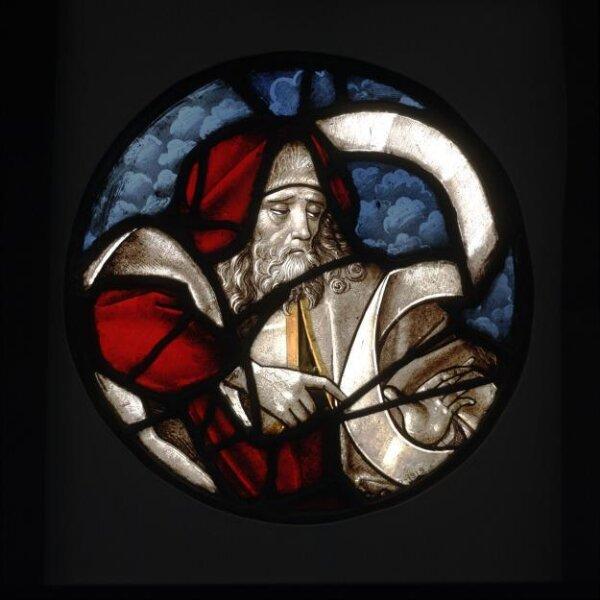
Prophet Isaiah holding a scroll
The Case for Multiple Authors: A Divided Book?
Despite the traditional view, many modern scholars propose that the Book of Isaiah is actually a composite work, written by at least two, and possibly three, distinct authors. This theory divides the book into three main sections: Proto-Isaiah (chapters 1-39), Deutero-Isaiah (chapters 40-55), and Trito-Isaiah (chapters 56-66). The arguments for multiple authorship often center on shifts in historical context, literary style, and theological themes. For example, Deutero-Isaiah, believed to have been written during the Babylonian exile (6th century BCE), speaks of Cyrus, the Persian king, who would eventually allow the exiled Israelites to return to their homeland. This detail, along with the different tone and vocabulary, suggests an author living centuries after Isaiah ben Amoz.
 Scholars debating the authorship of Isaiah
Deutero-Isaiah: A Voice of Comfort in Exile
Deutero-Isaiah offers a message of comfort and hope to the Israelites exiled in Babylon. The author, often referred to as the “Second Isaiah,” speaks of God’s unwavering love for his people and promises their eventual return to Jerusalem. The imagery in this section is rich and poetic, emphasizing God’s power and compassion. The figure of Cyrus, the Persian king, plays a central role in Deutero-Isaiah’s prophecies, as he is portrayed as God’s chosen instrument to liberate the Israelites from captivity. This historical detail, combined with the distinct literary style and theological focus, strengthens the argument for separate authorship.
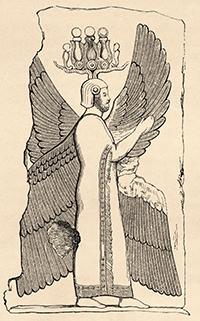 Cyrus, the Persian King, freeing the Israelites
Trito-Isaiah: Rebuilding and Renewal
Trito-Isaiah (chapters 56-66) is attributed to a third author, sometimes called the “Third Isaiah,” believed to have lived during the period following the return from exile. This section addresses the challenges of rebuilding the community and temple in Jerusalem, dealing with themes of social justice, inclusion, and the hope for a renewed Israel. The focus on the restoration of Jerusalem and the challenges faced by the returning exiles suggests an author writing in a different historical context than either Isaiah ben Amoz or Deutero-Isaiah.
 Rebuilding the Temple in Jerusalem
The Ongoing Debate: A Question of Interpretation
The question of who wrote Isaiah continues to be debated among scholars. While the evidence for multiple authorship is compelling for many, others maintain the traditional view of single authorship, arguing that the perceived differences in style and content can be explained by changes in Isaiah’s life and ministry. Regardless of which perspective one adopts, the Book of Isaiah remains a powerful testament to the enduring themes of faith, hope, and the relationship between God and humanity.
Conclusion: The Enduring Legacy of Isaiah
Whether written by one or several authors, the Book of Isaiah continues to speak to readers across centuries and cultures. Its profound message of judgment, hope, and restoration resonates with those seeking understanding of God’s plan for the world. The questions surrounding who wrote Isaiah remind us that biblical interpretation is an ongoing process, inviting us to engage with these ancient texts in a thoughtful and critical way.
FAQ
- Why is the authorship of Isaiah debated? Differences in historical context, literary style, and theological themes within the book suggest the possibility of multiple authors.
- Who is Cyrus mentioned in Isaiah? Cyrus is the Persian king who allowed the exiled Israelites to return to Jerusalem, as prophesied in Deutero-Isaiah.
- What is the central theme of Deutero-Isaiah? Comfort and hope for the Israelites in exile, promising their eventual return to their homeland.
- What does Trito-Isaiah focus on? The challenges of rebuilding the community and temple after the return from exile, including social justice and renewal.
- What is the traditional view on the authorship of Isaiah? The entire book is attributed to the prophet Isaiah ben Amoz, who lived in the 8th century BCE.
- What are the three main sections of Isaiah according to the multiple authorship theory? Proto-Isaiah (chapters 1-39), Deutero-Isaiah (chapters 40-55), and Trito-Isaiah (chapters 56-66).
- Does the debate about authorship diminish the importance of the Book of Isaiah? No, regardless of the authorship, the book remains a powerful and influential text within religious and cultural contexts.